Locate Us

Obstructive Sleep Apnea (OSA)

tooth leaning right tooth leaning left big tooth big tooth
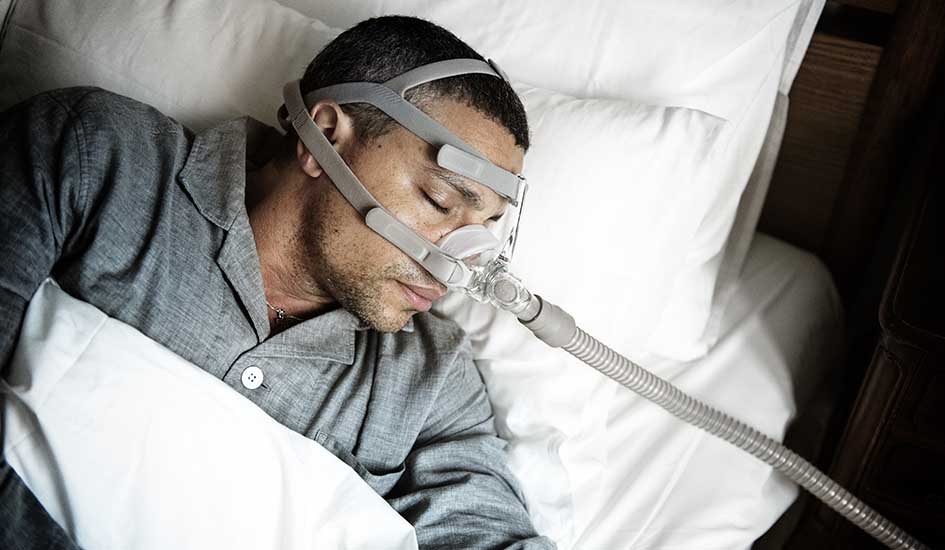
the-reality-about-obstructive-sleep-apnea-old-man-sleeping

Most people with obstructive sleep apnea are told about it by somebody else. The pauses in breathing happen while you are asleep, and you do not wake enough to remember them. Patients come in because they are tired every day, or because a partner has counted the pauses and got worried.

A community study in Singapore fitted adults with overnight sleep monitors and found that 30.5% had moderate to severe sleep-disordered breathing, the umbrella term that covers obstructive sleep apnea. Of that group, 91% had never been diagnosed.

What Is Obstructive Sleep Apnea?

Obstructive sleep apnea is a breathing disorder that happens only during sleep. As you fall asleep the muscles holding your upper airway open lose tone. In people with OSA that airway narrows or closes, and airflow drops or stops while the chest and diaphragm keep trying to breathe.

Each event is scored one of two ways:

  • Apnea: airflow falls by 90% or more for at least 10 seconds.

  • Hypopnea: airflow falls by at least 30% for at least 10 seconds, with a drop in blood
    oxygen or a brief arousal from sleep.

In moderate cases this happens 15 to 29 times an hour, every hour you are asleep. Each time, oxygen falls and the brain wakes you just enough to reopen the airway. The body treats every one of those as a stress, which is where the daytime symptoms and the long-term heart risk come from.

What Is Obstructive Sleep Apnea?

Feb 2021 Post-11

Obstructive Sleep Apnea Symptoms

Night-time signs are usually reported by somebody else. Daytime signs are what bring people in. Not everyone with obstructive sleep apnea snores, so the absence of snoring does not rule it out, particularly in women and in older patients.

At night

  • Loud, habitual snoring, often worse when lying on the back
  • Witnessed pauses in breathing, followed by a gasp or a snort
  • Waking suddenly with a choking sensation
  • Frequent trips to the toilet overnight
  • Night sweats and restless sleep

During the day

  • Waking unrefreshed no matter how many hours you spent in bed
  • Morning headache that fades over the first hour or two
  • Dry mouth or sore throat on waking
  • Dozing off while reading, in meetings or at traffic lights
  • Difficulty concentrating, forgetfulness, low mood or short temper
  • Reduced libido

What a dentist finds in your mouth

The signs above are what you feel. These are the ones visible at a routine dental check-up, often before anyone has mentioned sleep.

  • Worn or flattened teeth: when the airway starts to close, one of the ways the body reopens it is by thrusting the jaw forward and clenching, which wears the enamel down. Flattened canine tips in someone who also wakes up tired are worth investigating as an airway problem, not only as a stress habit.
  • Scalloped tongue edges: indentations where the tongue presses against the teeth, suggesting a tongue that is large for the space available.
  • A high, narrow palate: a vaulted arch reduces nasal floor volume and is common in patients who mouth breathe.
  • Dry mouth signs: decay at the gumline, inflamed gums and persistent bad breath all point to overnight mouth breathing.
  • A crowded oropharynx: a low-hanging soft palate and large tonsils are visible at a normal check-up.
  • Jaw joint tenderness: clenching against a closing airway loads the temporomandibular joint, and some patients arrive complaining of jaw pain with no idea their sleep is the caus

If you grind your teeth and you are tired every day, mention both at your next appointment

Is Obstructive Sleep Apnea An Emergency?

OSA is a chronic condition and it does not need same-day treatment. Two situations need attention within the week.

Seek urgent medical assessment if you get chest pain during the night, wake repeatedly gasping and cannot settle, or have a known heart rhythm problem alongside witnessed apneas.

Stop driving and get assessed quickly if you have fallen asleep at the wheel or drifted out of your lane. Untreated severe OSA raises crash risk, and it is worth telling your doctor if you drive commercially or operate machinery at work. Treated OSA is not a barrier to either.

Obstructive Sleep Apnea Severity: Mild, Moderate and Severe

Severity is measured with the apnea-hypopnea index (AHI), the average number of apneas and hypopneas per hour of sleep.

Severity AHI (events per hour of sleep)
Normal Fewer than 5
Mild obstructive sleep apnea 5 to 14
Moderate obstructive sleep apnea 15 to 29
Severe obstructive sleep apnea 30 or more

What Your Sleep Report Shows

Most patients read only the AHI. Three other numbers matter:

  • Lowest SpO2: the deepest your blood oxygen fell. Below 90% is significant, and below 80% is a reason to move quickly whatever the AHI says.
  • ODI, the oxygen desaturation index: how often oxygen dropped, which bears on cardiovascular strain independently of the AHI.
  • Supine AHI against non-supine AHI: if the supine figure is several times higher, sleeping position is doing much of the damage, and that changes the treatment

Ask for these alongside the AHI when you collect your report.

Paediatric Obstructive Sleep Apnea (Obstructive Sleep Apnea in Children)

An AHI above 1 event per hour is already abnormal in a child, so a figure that would be unremarkable in an adult is significant here. A sleep-deprived child usually becomes louder and more restless, which is why paediatric OSA is often mistaken for a behavioural problem.

  • Loud snoring, restless sleep, and unusual sleeping positions such as an extended neck
  • Hyperactivity and difficulty focusing, frequently mistaken for ADHD
  • Bedwetting that returns after a child was previously dry
  • Mouth breathing during the day and frequent throat infections
  • Falling school performance

Enlarged tonsils and adenoids cause most paediatric cases, and removing them resolves a large proportion. Where the airway is narrow because of jaw or palate development, paediatric dentistry approaches such as palatal expansion are used to grow the space

What Causes Obstructive Sleep Apnea?

The airway between the back of your nose and your voice box has no rigid support. Muscle tone alone holds it open, which is why it becomes vulnerable the moment you fall asleep.

  • Soft tissue crowding: fat deposits in the neck and around the pharynx reduce the space available for air.
  • Enlarged tonsils or adenoids: the commonest cause in children, and a contributor in some adults.
  • Jaw position: a lower jaw that sits small or set back carries the tongue base with it, which reduces the airway behind the tongue.
  • Tongue size and position: a large tongue, or one that rests low in the mouth, falls back more readily when muscle tone drops.
  • Nasal obstruction: a deviated septum, enlarged turbinates or chronic rhinitis forces mouth breathing, which itself narrows the airway.
  • Reduced muscle tone: alcohol, sedatives and some muscle relaxants relax the pharyngeal muscles beyond their normal sleeping state.

Obstructive Sleep Apnea Risk Factors

  • Excess weight: closely linked to OSA, and the factor you can change.
  • Body mass index: risk climbs with BMI, and Asian populations develop OSA at lower BMI thresholds than Western reference ranges assume, so a person of normal build in Singapore can still have significant OSA
  • Neck circumference: above 43cm in men and 40cm in women. The STOP-BANG screen below applies a single 40cm cut-off to both, because a screening tool trades precision for speed.
  • Age and sex: prevalence climbs from middle age, and men are affected more often than women until menopause, after which the gap narrows.
  • Craniofacial structure: a retruded mandible, a high arched narrow palate, or a long lower face all reduce airway volume.
  • Family history: airway anatomy is inherited, so OSA clusters in families.
  • Smoking: inflammation and fluid retention in the upper airway lining narrow the passage further.
  • Nasal allergy and sinus disease: chronic congestion pushes patients into mouth breathing during sleep.
  • Alcohol and sedatives before bed: these deepen muscle relaxation exactly when airway tone is already at its lowest.

How Obstructive Sleep Apnea Is Diagnosed

History And Airway Examination

Assessment covers your sleep pattern, what your partner has observed, and how you feel in the first hour after waking, alongside weight history, alcohol intake, nasal symptoms and medications. Physical examination covers neck circumference, blood pressure, nasal patency, tonsil size, tongue position relative to the palate, palate shape and jaw relationship. It takes a few minutes and indicates where in the airway the problem most likely sits.

STOP-BANG Questionnaire

  • S: Snoring loudly enough to be heard through a closed door
  • T: Tiredness or daytime sleepiness
  • O: Observed pauses in breathing during sleep
  • P: Pressure, meaning treated or untreated high blood pressure
  • B: BMI above 35
  • A: Age over 50
  • N: Neck circumference above 40cm
  • G: Gender, male

A score of 0 to 2 is low risk, 3 or 4 is intermediate, and 5 or more indicates high risk of moderate to severe OSA and warrants a sleep study. STOP-BANG is a screening tool. Only a sleep study produces an AHI.

Sleep Studies

A home sleep apnea test is worn for one or more nights in your own bed and records airflow, respiratory effort, blood oxygen, pulse and body position. It suits adults with a high pre-test probability of moderate to severe OSA and no significant heart or lung disease, and it is more comfortable than a laboratory study. It does not measure sleep itself, so a negative result in a symptomatic patient should be followed by a laboratory study.

In-lab polysomnography adds EEG, eye movement and muscle activity recording, so it measures actual sleep stages alongside breathing. It is the right test where central sleep apnea is suspected, where there is significant cardiac or respiratory disease, or where a home test came back negative but symptoms persist.

Drug-Induced Sleep Endoscopy

DISE is used when surgery is being considered. Under light sedation that mimics natural sleep, a flexible endoscope watches the airway collapse in real time and shows which level is giving way, whether the palate, the tonsils, the tongue base or the epiglottis. Without it, airway surgery becomes a guess about which structure to operate on.

Obstructive Sleep Apnea Treatment Options

Oral Appliances (SomnoDent Mandibular Advancement Devices)

A mandibular advancement device is a custom acrylic appliance worn on the teeth during sleep. It holds the lower jaw forward, which carries the tongue base with it and enlarges the airway behind the tongue.

Nuffield Dental fits SomnoDent appliances, a custom range made by SomnoMed and supplied in Singapore. Each one is manufactured to a digital scan of your own bite and advanced in controlled increments over the following months.

Who it suits: simple snoring, mild to moderate OSA, and patients with severe OSA who cannot tolerate CPAP. Around two-thirds of carefully selected patients see a meaningful reduction in AHI.

Who it does not suit: patients with too few teeth to anchor the device, active untreated gum disease or decay, planned extractions or implants, and anyone whose gag reflex makes dental impressions impossible.

Continuous Positive Airway Pressure (CPAP)

A bedside pump delivers pressurised air through a mask, splinting the airway open. CPAP controls OSA at every severity level and is the first-line recommendation for moderate to severe disease. The difficulty is adherence. Patients stop using it because of mask leak,

nasal dryness, claustrophobia or difficulty exhaling against the pressure, and most of those are solvable with a different mask, added humidification or a pressure adjustment.

Two variants exist for patients who cannot tolerate fixed pressure. BiPAP delivers a higher pressure on inhalation and a lower one on exhalation. APAP adjusts pressure automatically through the night as body position and sleep stage change

Positional, Myofunctional And Lifestyle Treatment

Positional therapy applies where the supine AHI is several times higher than the non-supine figure. A positional trainer worn on the chest or neck vibrates when you roll over. It is usually combined with another treatment.

Myofunctional therapy is a programme of exercises that retrain tongue posture, lip seal and swallowing pattern. It produces modest AHI reductions in adults and larger reductions in children, especially after tonsil and adenoid surgery. It is not a standalone treatment for moderate or severe OSA in adults.

Weight loss reduces AHI, and in mild disease it can resolve the condition. A 10% reduction in body weight produces a measurable fall in AHI.

Obstructive Sleep Apnea Surgery

Surgery is considered when conservative treatment has failed or cannot be tolerated, and it targets the level of obstruction identified on examination or DISE.

  • Nasal surgery: septoplasty, turbinate reduction and polyp removal. Rarely cures OSA alone, but it improves CPAP tolerance and reduces the pressure required.
  • Tonsillectomy and adenoidectomy: the primary surgical treatment in children. In adults with large tonsils it can produce a substantial AHI reduction.
  • Palatal surgery: uvulopalatopharyngoplasty and its modern modifications. Current techniques favour repositioning tissue over removing it, which preserves function.
  • Tongue base surgery: tongue base reduction, genioglossus advancement or hyoid suspension, usually combined with a palatal procedure.
  • Maxillomandibular advancement: moves both jaws forward, enlarging the airway along its whole length. A significant orthognathic operation requiring orthodontic preparation, suited to patients whose obstruction comes from a set-back jaw.
  • Hypoglossal nerve stimulation: an implanted device that moves the tongue forward in time with each breath, for selected patients who cannot tolerate CPAP.
  • Tracheostomy: bypasses the upper airway entirely. Reserved for severe cases where nothing else is possible or safe.

How To Choose An Obstructive Sleep Apnea Treatment

Your situation Usual first choice
Snoring, AHI under 5 Positional therapy, weight and alcohol management, nasal treatment, or an oral appliance for the noise
Mild OSA, AHI 5 to 14 Oral appliance, weight management, positional therapy
Moderate OSA, AHI 15 to 29 CPAP or an oral appliance, depending on anatomy and tolerance
Severe OSA, AHI 30 or more CPAP first. Oral appliance or surgery if CPAP genuinely cannot be tolerated
CPAP tried and rejected Oral appliance, then surgical assessment with DISE
Enlarged tonsils, any severity ENT assessment for tonsillectomy
Clear jaw retrusion, severe OSA Orthognathic assessment for maxillomandibular advancement
Child with snoring and restless sleep ENT assessment for tonsils and adenoids, plus airway-conscious orthodontics

Oral Appliance Treatment Procedure

Before The Procedure

The first appointment covers history, an airway and dental examination, and photographs. A sleep study comes before an appliance, so a home sleep test is arranged if you have not had one. Where the airway picture is unclear, a CBCT scan or lateral cephalogram is taken. Active decay or gum disease is treated first, since a device anchored to unhealthy teeth will fail.

During The Procedure

Fitting an oral appliance involves no drilling and no anaesthetic. Digital scans of both arches are taken along with a bite record, with the jaw in a slightly advanced position. The appliance is fabricated from that record and fitted at a later visit, where retention, comfort and range of movement are checked and you are shown how to advance it

After The Procedure

Advancement happens gradually over roughly four to six months as you move the device forward in small increments. Once symptoms have settled, a repeat sleep study is done with the appliance in place, because feeling less tired is not proof that the AHI has come down. That second study is what confirms whether it worked.

Am I A Good Candidate For An Oral Appliance?

You are likely to be a good candidate if:

  • Your sleep study shows mild or moderate OSA, or habitual snoring without significant OSA
  • You have severe OSA but have genuinely tried CPAP and cannot tolerate it
  • You have enough healthy teeth and stable gums to anchor an appliance
  • Your obstruction sits at the level of the tongue base or soft palate
  • You travel often, or find the practicalities of a machine unworkable

You are unlikely to be a good candidate if:

  • You have severe OSA with significant oxygen desaturation and have not yet triedpositive airway pressure
  • You wear full dentures, or too few teeth remain to retain a device
  • You have active gum disease or untreated decay, which must be resolved first
  • You have significant temporomandibular joint disease, which advancement can aggravate
  • You have central sleep apnea, since an oral appliance does nothing for it

Adherence matters more here than the choice of treatment. A treatment you use every night will do more for you than a stronger one you stop using after a month, so be honest with your dentist about what you will realistically keep doing.

Obstructive Sleep Apnea Risks

  • Daytime sleepiness: raises the risk of road traffic and workplace accidents, and it is the symptom that can affect other people before it affects you.
  • Raised blood pressure: the repeated overnight oxygen drops keep the sympathetic nervous system active, and hypertension in this setting often resists medication.
  • Cardiovascular and metabolic strain: untreated OSA is associated with ischaemic heart disease, atrial fibrillation, stroke and type 2 diabetes.

A sleep study establishes how severe your OSA is and which of these apply to you. If you have been told you stop breathing during sleep, or you feel sleepy during the day despite adequate time in bed, arrange an assessment before the symptoms affect your driving or your work.

Obstructive Sleep Apnea Complications

  • Heart failure and pulmonary hypertension: these can develop or worsen over years of untreated disease.
  • Cognitive and mood changes: memory, attention and concentration are affected, and depression and anxiety are more common in people with untreated OSA.
  • Anaesthetic risk: undiagnosed OSA raises airway risk during surgery, which is why it should be declared before any procedure under sedation.

Most of this is the risk of leaving the condition alone. Regular review and a confirmed, effective treatment can help prevent long-term problems from untreated obstructive sleep apnea. If your symptoms return after treatment, or your device stops feeling effective, contact the clinic for a review

Aftercare And Follow-Up

  • First week: jaw soreness, excess saliva and a dry throat are common and usually settle. Wear the appliance every night so the tissues adapt, and use the morning repositioner for a few minutes after removal.
  • Weeks 2 to 24: advance the device in small increments as instructed, and report changes in snoring and daytime alertness at each review.
  • Daily care: clean with a soft brush and cool water. Hot water distorts the acrylic.
  • What you may notice: small bite changes can develop over years of nightly wear as the upper front teeth tip back and the lower teeth tip forward. This is expected and is what the annual review checks for.
  • When to contact your dentist: persistent jaw pain, an appliance that no longer fits, or the return of daytime sleepiness.
  • Follow-up visits: annual review, or every six months for heavy grinders, to check the fit, the bite and the condition of the device. Appliances typically last two to five years.

Obstructive Sleep Apnea Treatment Cost In Singapore (2026)

At Nuffield Dental, the cost of obstructive sleep apnea treatment varies depending on which appliance is prescribed and how complex your case is. The main cost components include the initial consultation and airway assessment, the sleep test used to confirm your diagnosis, any imaging needed to measure your airway, and the custom oral appliance itself.

Item Fee (SGD)
Consultation and oral examination  $54.50 to $87.20
Sleep test  From $163.50
Lateral cephalogram $70 to $100
CBCT (3D scan) $130 to $350
Night guard (for grinding) $490.50 to $708.50
Custom mandibular advancement device  $1,500 to $3,500

*All fees are subject to prevailing Singapore Goods and Services Tax. *Fee adjustments may apply depending on the number of titration visits required and whether a follow-up sleep study is needed.

The full dental price list covers fees for the other treatments mentioned on this page.

Are There Subsidies For Obstructive Sleep Apnea Treatment In Singapore?

MediSave

You can use MediSave for certain sleep apnea diagnostic tests and for approved surgical procedures such as tonsillectomy and nasal surgery, subject to the prevailing MOH claim limits. CPAP machines and dental oral appliances are generally not claimable as equipment. The rules depend on the specific procedure code, so confirm your eligibility with the clinic before you commit.

Dental Insurance And Integrated Shield Plans

Sleep studies, specialist consultations and oral appliance therapy are covered in part by some employer dental plans and Integrated Shield riders. Many plans treat an oral appliance as a dental prosthesis instead of a medical device, which changes the limit that applies. Ask your insurer for the position in writing before treatment starts.

CHAS

Cardholders can use CHAS subsidies for dental treatment at participating clinics. Sleep apnea appliances are not part of the standard CHAS dental scope. The routine dental care needed before an appliance can be fitted, such as scaling, fillings and extractions, may be covered.

Preventing Obstructive Sleep Apnea

  • Manage your weight: weight has a clear and well-documented effect on AHI.
  • Keep your nose clear: treat allergic rhinitis and chronic sinusitis, because a blocked nose forces mouth breathing.
  • Move your last alcoholic drink earlier in the evening and review any sedating
    medication with your doctor rather than stopping it yourself.
  • Stop smoking: inflammation and fluid retention narrow the upper airway.
  • Sleep off your back if you snore.
  • Treat children's airway problems early: persistent mouth breathing during growth alters facial development in ways that are harder to correct later.
  • Keep your teeth: tooth loss and the bite collapse that follows it reduce the space available for the tongue.

How Nuffield Dental Can Help With Obstructive Sleep Apnea

Dr Samintharaj Kumar holds a Bachelor of Dental Surgery (Singapore, 2001) and a medical degree (MBBS, London, 2006), along with the MFDS RCS, MFD RCSI and MRCS from the Royal Colleges of Surgeons of England and Ireland. His listed clinical interests include sleep dentistry, obstructive sleep apnea, anti-snoring treatment and myofunctional orthodontics

Obstructive Sleep Apnea vs Central Sleep Apnea

  Obstructive Sleep Apnea (OSA) Central Sleep Apnea (CSA)
Cause The upper airway physically closes The brain stops sending the signal to breathe
Mechanism Effort to breathe continues against a blocked airway Respiratory effort stops altogether
Snoring Usually loud and habitual  Often absent or mild
Typical patient  Often overweight, or with a small or set-back jaw Often has heart failure, stroke history, or is on opioid medication
First-line treatment CPAP, oral appliance, weight and positional management, or surgery Treating the underlying cause, often with adaptive servo-ventilation or BiPAP

Some patients have both, which is called mixed or complex sleep apnea. An oral appliance does nothing for central events, so the distinction changes the treatment.

Our Team Of Dentists Behind Sleep Dentistry

View More

At Nuffield Dental clinic, your dental needs are cared for by our dedicated team of dentists.

Dr Surinder Arora profile at Nuffield Dental Singapore

Dr Surinder Arora

Training

BDS (UK)

Dr Hui Chee Wah profile at Nuffield Dental Singapore

Dr Hui Chee Wah

Training

BDS (Singapore)

Obstructive Sleep Apnea FAQs

It can be recognised as one where it substantially limits daily activities or working capacity, though that is an administrative assessment and not a medical one. It depends on the severity, on how well it responds to treatment, and on the criteria of the specific scheme involved.

Partly. What is inherited is the anatomy: jaw size and position, palate shape, airway dimensions and the tendency to store fat around the neck. Having a first-degree relative with OSA raises your risk, which is why a family history is worth mentioning at your appointment.

In some cases yes. A child whose OSA is caused by enlarged tonsils is usually cured by
removing them. An adult with mild OSA driven by weight can resolve it through weight loss. Maxillomandibular advancement can be curative where the cause is skeletal. For most adults, though, OSA is a managed condition, in the same way hypertension is managed.

CPAP brings the AHI down more completely. Oral appliances often achieve comparable
real-world results in mild to moderate OSA because patients wear them more consistently. The way to settle the question for yourself is the follow-up sleep study described above.

The daytime symptoms persist and the cardiovascular risk accumulates, along the lines set out in the Risks and Complications sections above. The degree of risk tracks severity, so untreated mild OSA is a different proposition from untreated severe OSA. Neither improves on its own.

A dentist is a sensible starting point if you have been told you grind your teeth, if your
symptoms are snoring and daytime tiredness, or if you have tried CPAP and stopped. An
ENT specialist is the right starting point if you have significant nasal obstruction, large
tonsils, or severe OSA with marked oxygen desaturation. Many patients end up seeing both.

Yes. Snoring is the commonest sign, not a requirement. Some patients obstruct quietly, and it is more likely in women, in older patients, and in people who are not overweight.

Over-the-counter boil-and-bite devices may reduce snoring noise, and that is the extent of what they reliably do. They are not fitted to your bite, they cannot be advanced in controlled increments, and unwanted tooth movement and jaw discomfort are recognised risks. Quietening the snore also removes the warning sign while leaving the obstruction untreated.

Record it. A short video of the snoring and the pauses gives the clinician more to work with than a description does. Then help with the practical side of treatment, because adherence in the first month determines whether treatment sticks.

Call if you have been told you stop breathing during sleep, if you wake with headaches most mornings, if you are sleepy during the day despite adequate time in bed, or if you have been diagnosed and your symptoms have returned. Seek medical attention sooner if you have fallen asleep while driving.

Medical References

Benjafield, A. V., Ayas, N. T., Eastwood, P. R., Heinzer, R., Ip, M. S. M., Morrell, M. J., Nunez, C. M., Patel, S. R., Penzel, T., Pepin, J. L., Peppard, P. E., Sinha, S., Tufik, S., Valentine, K., & Malhotra, A. (2019). Estimation of the global prevalence and burden of obstructive sleep apnoea: A literature-based analysis. The Lancet Respiratory Medicine, 7(8), 687-698. https://doi.org/10.1016/S2213-2600(19)30198-5

Chung, F., Abdullah, H. R., & Liao, P. (2016). STOP-Bang questionnaire: A practical approach to screen for obstructive sleep apnea. Chest, 149(3), 631-638. https://doi.org/10.1378/chest.15-0903

Gottlieb, D. J., & Punjabi, N. M. (2020). Diagnosis and management of obstructive sleep apnea: A review. JAMA, 323(14), 1389-1400. https://doi.org/10.1001/jama.2020.3514

Kapur, V. K., Auckley, D. H., Chowdhuri, S., Kuhlmann, D. C., Mehra, R., Ramar, K., & Harrod, C. G. (2017). Clinical practice guideline for diagnostic testing for adult obstructive sleep apnea: An American Academy of Sleep Medicine clinical practice guideline. Journal of Clinical Sleep Medicine, 13(3), 479-504. https://doi.org/10.5664/jcsm.6506

Peppard, P. E., Young, T., Palta, M., Dempsey, J., & Skatrud, J. (2000). Longitudinal study of moderate weight change and sleep-disordered breathing. JAMA, 284(23), 3015-3021. https://doi.org/10.1001/jama.284.23.3015

Ramar, K., Dort, L. C., Katz, S. G., Lettieri, C. J., Harrod, C. G., Thomas, S. M., & Chervin, R. D. (2015). Clinical practice guideline for the treatment of obstructive sleep apnea and snoring with oral appliance therapy: An update for 2015. Journal of Clinical Sleep Medicine, 11(7), 773-827. https://doi.org/10.5664/jcsm.4858
medical-appointment 1

Contact us for information

Fill out the form for any request or questions you have and we will contact you within one working day.

Cost Of Root Canal Treatment In Singapore

implants

Cost Of Root Canal Treatment In Singapore

Root Canal Treatment Cost

The price varies according to the unique treatment prescribed to each individual patient. For example, if a root canal treatment is require for more than one root, the cost would go up as well. However, saving the tooth with a Root Canal treatment is relatively cost-efficient in the long run. 


A Root Canal Treatment procedure in Singapore's price ranges from S$500 - S$1700. However, the price may or may not include the crowning of the tooth and consultation charges. Average consultation prices of dental services in Singapore ranges from S$75- S$200. 

Root Canal Treatment FAQs

Is a Root Canal Treatment procedure painful?


  • The entire procedure will be done under local anaesthesia, so it will not be painful than getting your tooth filled or a wisdom tooth surgery. However, the affected area may cause discomfort and be slightly sore post-surgery but it goes away after a few days. 
  • If the pain persists, please consult our doctor immediately. You can reach us at +65 9839 7363.

    Can I go about my day to day activities after a Root Canal Treatment? 

  • Most patients are able to return to school or work the next day following a Root Canal Treatment. However, it is advised against eating immediately post-surgery as there may be numbness in the affected area. 


What are the side effects of a Root Canal Treatment?

  • The side effects of a Root Canal Treatment differs with each individual. Some people may experience pain or a slight soreness post-surgery, and some people may experience little to no pain at all. This also applies to certain patients experiencing a measured amount of sensitivity associated to cold or heat when consuming food or beverages. 

What is the aftercare for a Root Canal Treatment? 


  • As a Root Canal Treatment is considered a restorative procedure, the after-care is deemed crucial to experience lasting effects. After your procedure, your dentist will send you home with pain-killers to counter the soreness you may feel when the anaesthesia wears off. It is also strongly advised against the consumption of food until the numbness wears off. Brushing and flossing daily is encouraged to keep the area clean and this in turn would prevent infection. Upon completing any follow-up appointments for the Root Canal Treatment, you may be required to return to the dentist for a final crown to fully restore the tooth. A properly treated and restored tooth can last as long as your natural teeth. 

Can a Root Canal Treatment be unsuccessful? 


  • A Root Canal Treatment has a 90% success rate of fully restoring your tooth. However. failure to fully restore your tooth can occur if there is a loose crown, tooth fracture or decay. Undetected canal branches or an obstruction that causes the cleaning difficulties may also cause a Root Canal Procedure to fail. Should your Root Canal Treatment be unsuccessful, explore options with Nuffield's Endodontist for possible solutions. 


Orchard Dental

Nuffield Dental Jewel
Wheelock Place501 Orchard Road #05-01 Singapore 238880

The Nuffield Dental Clinic Network In Singapore

Nuffield Dental Seletar

Nuffield Dental Seletar
Greenwich V
1 Seletar Road #01-07/08
Singapore 807011

Nuffield Dental Kovan

Nuffield Dental Kovan
Simon Plaza
2 Kovan Road #01-03
Singapore 548008

Nuffield Dental Serangoon Gardens

Nuffield Dental Serangoon Gardens
Serangoon Garden Estate
57 Serangoon Garden Way
Singapore 555953

Nuffield Dental Siglap

Nuffield Dental Siglap
The Domain
914 East Coast Road #01-03
Singapore 459108

Nuffield Dental Bedok

Nuffield Dental Bedok
East Village Mall
430 Upper Changi Road #01-64
Singapore 487048

Nuffield Dental Holland Village

Nuffield Dental Holland Village
7 Holland Village Way #03-16
Singapore 275748

Nuffield Dental Jurong East

Nuffield Dental Westgate
Westgate
3 Gateway Dr #04-32
Singapore 608532

Nuffield Dental Marina One

Nuffield Dental Marina One
The Heart, Marina One
5 Straits View #B2-58
Singapore 018935

Nuffield Dental Jewel

Nuffield Dental Jewel
Wheelock Place
501 Orchard Road #05-01
Singapore 238880

Nuffield Dental Raffles Place

Nuffield Dental Raffles Place
One Raffles Place
1 Raffles Place #05-19
Singapore 048616

featured-logos-1
background image

Why Choose Nuffield Dental?

Nuffield Dental is a one-stop, multi-disciplinary dental care centre in Singapore. At Nuffield, we put you first. We believe in providing personalised service for each patient.

Dental care

Nuffield Dental is a one-stop, multi-disciplinary dental care centre. Here at Nuffield Dental, we pride ourselves of our personalised oral care for each and every one of our patients. We need to make sure you get all the help you need to make your dental procedures comfortable, accessible and seamless.

Root Canal Treatment

Our dentists have been accredited in root canal and oral surgery for 20+ years. We have accredited dental providers who are skilled in the area of dental implant surgery.

Articles

The newest and best lifestyle articles selected by our editorial team.

  • 20 Jul 2026
  • 2 mins read
Nuffield Holdings Private Limited Recognised as a Singapore Company of Good

Nuffield Holdings Private Limited is pleased to announce that it has been conferred the Singapore Company of Good 3 Hearts Recognition by the...

Receding Gums in Singapore Causes, Treatment & Cost

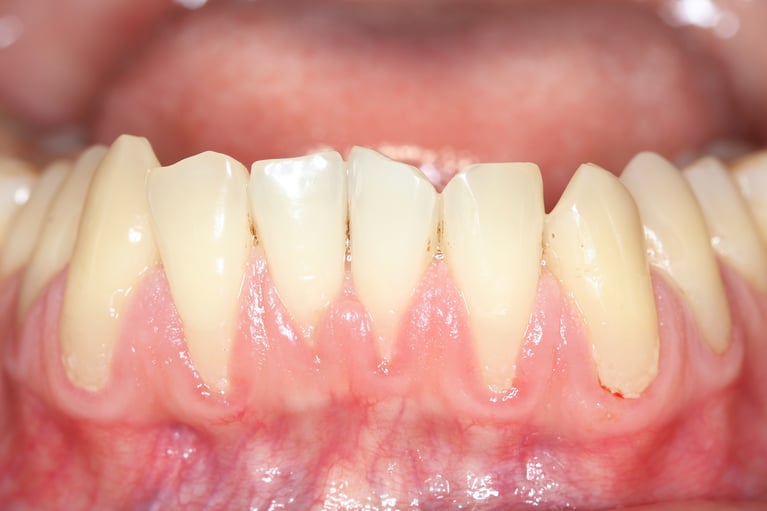
What are receding gums? Receding gums happens when the gums draw back from the teeth, hence exposing the roots underneath. The condition is common -...

Mercury-Based Dental Fillings: Global Shifts and Nuffield Dental’s Clinical Approach

Why the Global Phase-Down Is Happening Mercury is listed by the WHO as one of the top ten chemicals of public health concern. In dentistry, the...