Locate Us

Essential Information on Endodontics Care in 206

tooth leaning right tooth leaning left big tooth big tooth
root-canal-treatment-1
MANAGEMENT OF TOOTH DECAY (ENDODONTICS TREATMENT IN SINGAPORE)

What Is Endodontics?

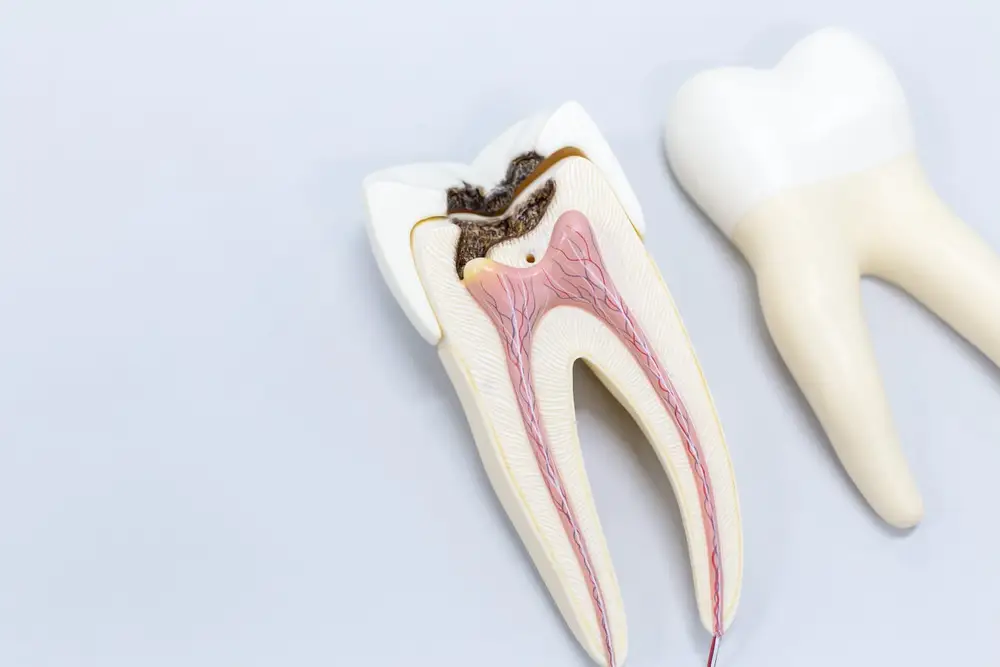
Endodontics is a branch of dentistry that focuses on the diagnosis and management of conditions affecting the dental pulp and tissues surrounding the roots of teeth. The dental pulp contains nerves, blood vessels, and connective tissue that support tooth development and health.


When the pulp becomes inflamed or infected due to decay, trauma, or other causes, endodontic procedures may be clinically indicated to manage symptoms and preserve the affected tooth where appropriate.


The term endodontics originates from Greek words meaning “inside” (endo) and “tooth” (odont), reflecting its focus on internal tooth structures.

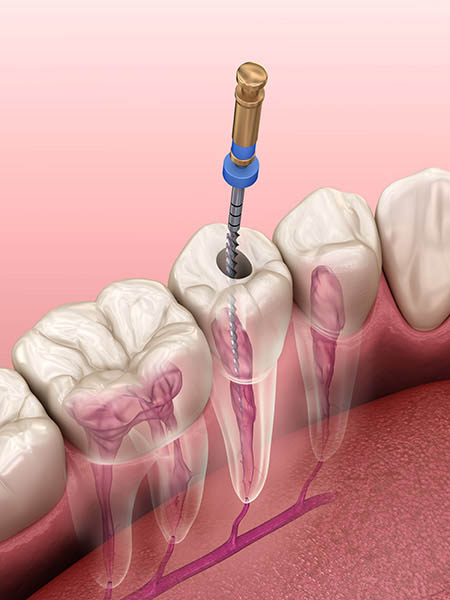
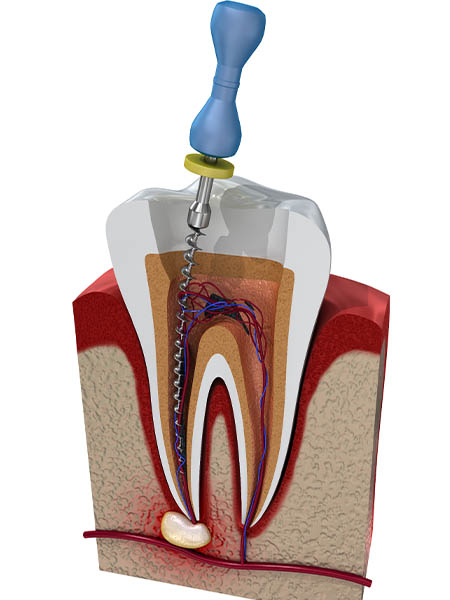
Root canal treatment is a common endodontic procedure. It involves removing infected pulp, cleaning the root canal, and sealing it. This procedure aims to manage infection and support preservation of the natural tooth where clinically appropriate. By understanding this process, patients can make informed decisions about their dental health.

Timely endodontic treatment may help reduce discomfort and support oral health. Ignoring tooth pain can lead to more serious complications and potential tooth loss. Seeking professional care from an endodontist may help manage pain and support the preservation of natural teeth. 

If you’re considering endodontic treatment in 2026, you may wish to consult a dental professional to explore your options.

asian-dentist-holding-dental-implant-artificial-t-2024-10-23-19-06-51-utc

What Does An Endodontist Do?

what-is-a-root-canal

What Does An Endodontist Do?

An endodontist is a dentist who has completed additional postgraduate training focused on diseases and injuries affecting the dental pulp and root structures.


Endodontists may be involved in:

  • Assessment of tooth pain of pulpal origin
  • Non-surgical root canal treatment
  • Management of persistent or recurrent root canal infections
  • Endodontic microsurgical procedures, such as apicoectomy
  • Management of dental trauma involving the pulp


They may use diagnostic tools such as radiographs, magnification, and clinical testing methods to support diagnosis and treatment planning.

When Should I Call An Endodontist?

  • Persistent tooth pain or discomfort, especially sensitivity to hot, cold, or sweet foods, can signal damage to the tooth's inner pulp. Ignoring these symptoms may lead to more significant complications, such as tooth abscesses, and potential tooth loss.
  • Traumatic dental injuries, such as those caused by accidents or trauma, can damage teeth and affect their structure and function. Endodontists focus on managing conditions affecting the dental pulp and may help preserve teeth in certain cases.
  • Swelling and inflammation near teeth or gums are warning signs of infection. Visible signs include swelling, redness, and tenderness. Infections can rapidly worsen, leading to severe pain, abscess formation, and systemic complications. Early intervention by an endodontist can effectively treat infections and prevent further damage. 

When Should I Call An Endodontist?

20775 (1)

  • Certain dental emergencies, such as those accompanied by fever, difficulty breathing or swallowing, and spreading swelling, require immediate medical attention. These signs may indicate a severe infection or other serious dental condition. Prompt diagnosis and treatment by an endodontist may help manage pain and reduce the risk of complications.
  • Some causes of tooth pain, such as a tooth abscess, are dangerous if left untreated long enough. A tooth abscess is a painful infection at the root of a tooth. If left untreated, the infection can spread to other parts of your body, causing serious health problems. 
  • When the root canal treated tooth did not heal despite adequate treatment. Even after a root canal treatment, sometimes the tooth may not heal properly.
  • In some cases, conventional non-surgical retreatment may not be recommended due to the complexity of the root canal system or the extent of the damage to the tooth. In such cases, a surgical procedure called an apicoectomy may be necessary.

Regular dental check-ups and timely intervention are crucial for maintaining oral health. If you experience any dental concerns, consult with an endodontist at Nuffield Dental SG.

7729 (1)

Common Reasons to Visit an Endodontist

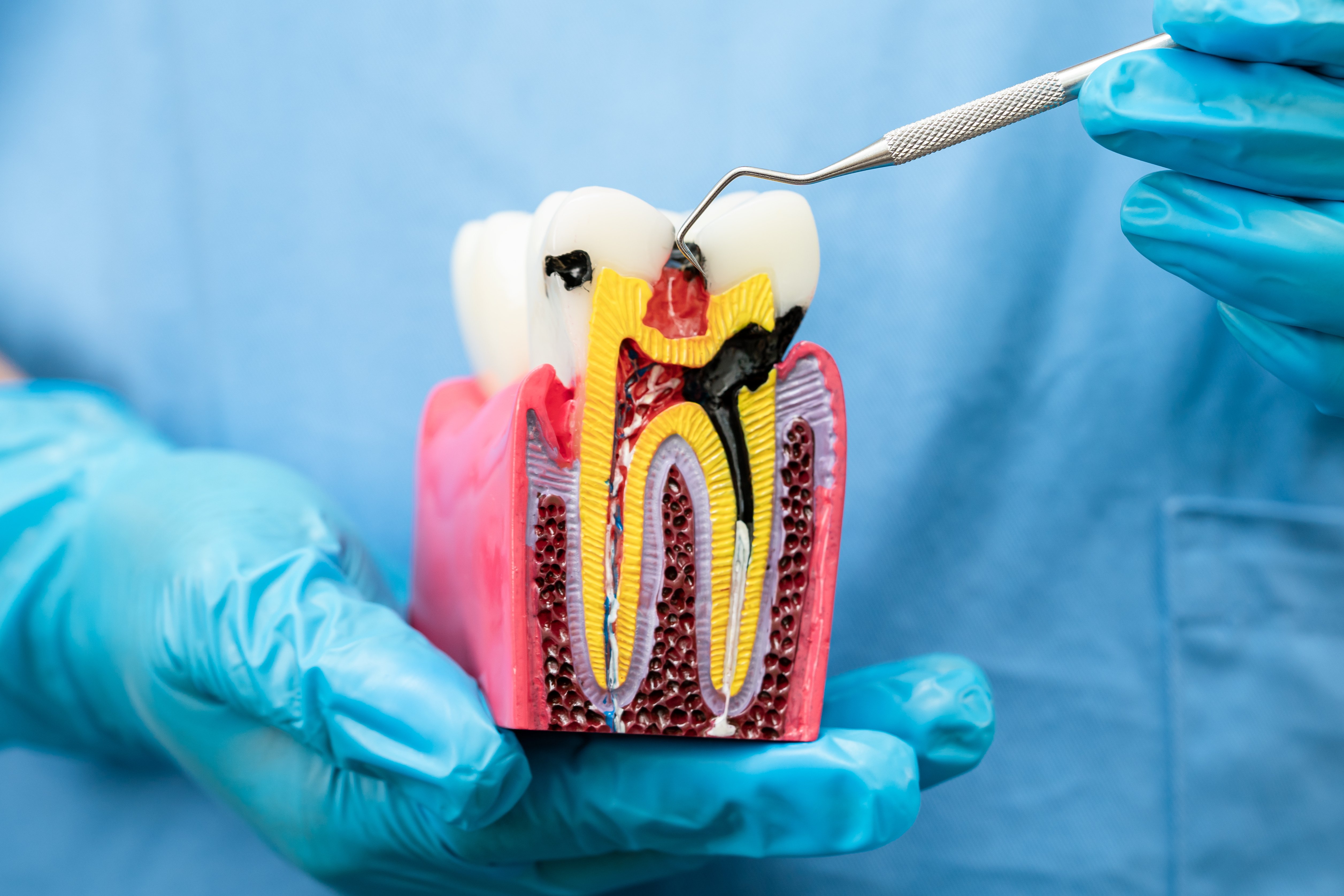
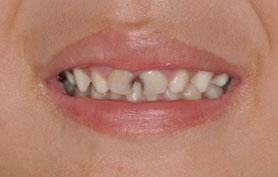
  • Tooth Decay: Untreated cavities can lead to severe tooth decay, causing inflammation or even death of the tooth's pulp.
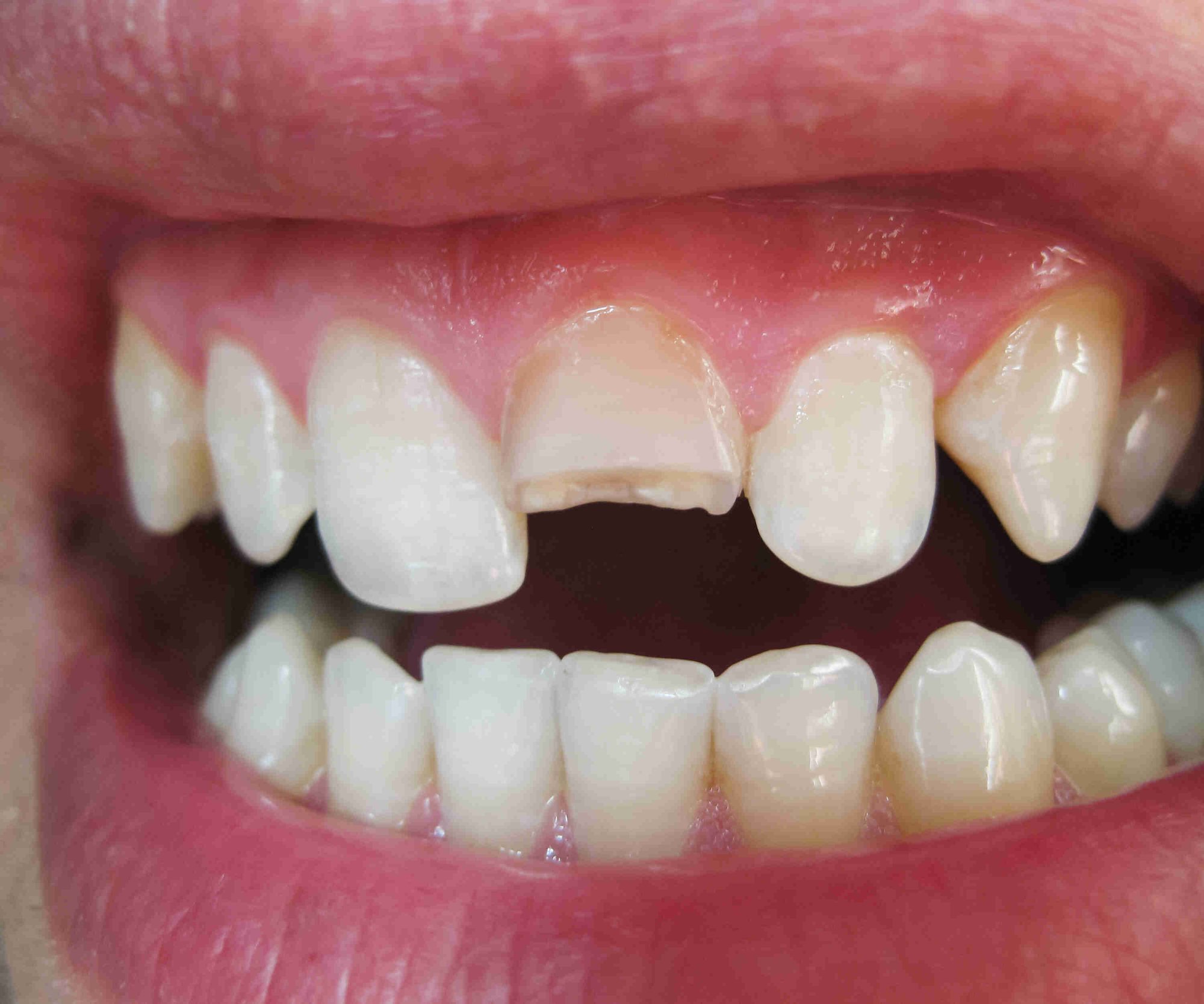
  • Tooth Trauma: Injuries to the teeth, such as those caused by accidents or falls, can damage the pulp and root.
  • Tooth Abscess: A tooth abscess occurs when bacteria infect the tooth's pulp or surrounding tissues, leading to a painful pus-filled pocket.
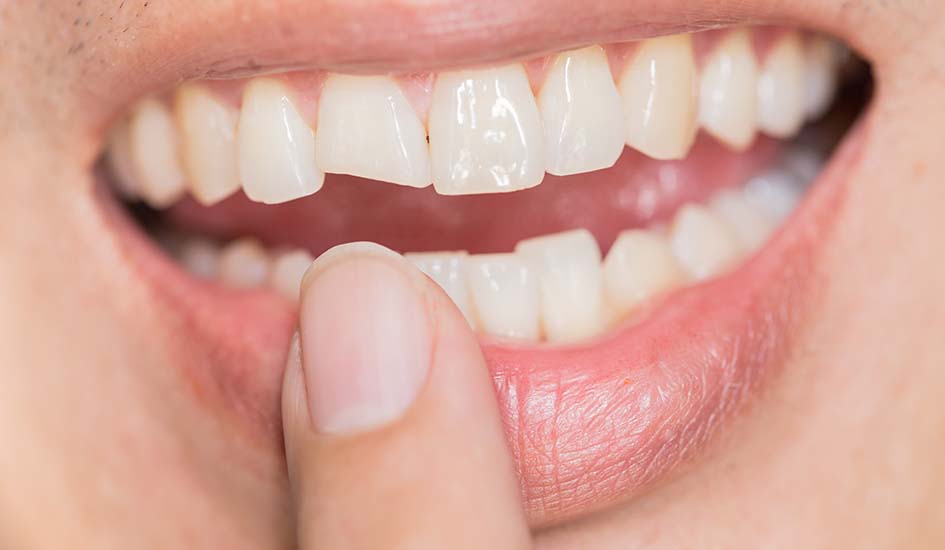
  • Cracked Tooth: Cracks in the tooth enamel can provide an entry point for bacteria, potentially causing infection and damage to the pulp.


Other Factors:

  • Repeated dental procedures on the tooth
  • Pain
  • Prolonged sensitivity to heat or cold
  • Tenderness to touch and chewing
  • Discoloration of the tooth
  • Swelling
  • Drainage and tenderness in the lymph nodes as well as nearby bone and gum tissues
  • Unexplained pain in the nearby lymph nodes


If you are experiencing any of these symptoms, consider seeking a dental assessment.

Endodontics Benefits

  • Pain management: May help reduce discomfort associated with pulp inflammation.
  • Tooth preservation: These treatments aim to preserve natural teeth where clinically appropriate
  • Restored function: After endodontic therapy, you can comfortably chew and bite again without discomfort.
  • Teeth treated with endodontic procedures may continue to function over time with appropriate care.
  • In some cases, endodontic treatments may help manage discolouration.
  • Cost-effective: In some cases, preserving a natural tooth may reduce the need for additional restorative procedures.
  • Efficient procedures: Modern endodontic techniques are designed to support effective treatment delivery.
  • Techniques used aim to support patient comfort during treatment.
  • Maintains natural bite: By keeping your own tooth, you preserve your natural bite force and sensation.
  • Prevents spread of infection: Endodontic therapy stops infections from spreading to other teeth or your jaw.

Causes For Undergoing Endodontics Procedures

Am I A Suitable Candidate For Endodontics?

  • Dealing with Serious Tooth Trouble: May be considered for managing deep decay or pulp-related infections.
  • Toothaches or Sensitivity: If hot or cold drinks cause discomfort, endodontic treatment may be considered in some cases of tooth sensitivity, depending on clinical evaluation.
  • Healthy Gums and Teeth: Great if your gums are in good shape and your teeth are strong enough for the treatment.
  • Frequent Dental Woes: Provides specialised care for persistent tooth problems that just won't go away.
  • Facing Persistent Infections: May be considered in cases of recurrent infection, depending on clinical findings.
  • Want to Keep Your Natural Teeth: For patients seeking to preserve their natural teeth, endodontic treatment may be considered where clinically appropriate.

Am I A Suitable Candidate For Endodontics?

2975 (1)

Endodontics Treatments in 2026

Root Canal Treatment

A non-surgical procedure that involves removal of infected or inflamed pulp tissue, cleaning and shaping of the root canal system, and sealing of the canals to reduce the risk of reinfection. Restoration of the tooth with a filling or crown may be required after treatment.

Endodontic Retreatment

May be considered if a previously treated tooth shows signs of persistent infection or does not heal as expected. The existing filling material is removed, the canals are reassessed, and the tooth is re-sealed where clinically appropriate.

Transparency

An apicoectomy is a type of endodontic surgery. It's done when a root canal treatment isn't enough to save the tooth.

The dentist makes a small cut in the gum near the tooth.

They remove the tip of the root and any infected tissue. A small filling is placed to seal the end of the root. The gum is then stitched back in place.

Dental Implant Surgery

If a tooth can't be saved, it may need to be removed. A dental implant can replace the missing tooth.

The dentist surgically places a small metal post in your jawbone.

Over time, the bone grows around the implant. A crown is then attached to the post. This may support restoration of appearance and function depending on individual outcomes.

Regenerative Endodontics

A developing area of care focused on immature teeth with incomplete root development. Treatment aims to support continued root formation under specific clinical circumstances.

Endodontic Microsurgery

This procedure uses dental instruments under magnification to treat specific areas of the tooth, supporting visual access during treatment.

Restoration of the Endodontically Treated Tooth

After endodontic treatment like a root canal, this procedure restores the tooth's structure and function using a crown or filling, supporting the restoration of tooth structure and function.

Non-vital Bleaching

This whitening treatment is used specifically for teeth that have darkened after receiving endodontic therapy. This technique may be used to address discolouration in teeth that have undergone endodontic therapy.

Management of Immature Roots

This technique focuses on helping young teeth with unfinished root development complete their growth, potentially saving a tooth that might otherwise need to be extracted.

Vital Pulp Therapy

In selected cases, treatment may aim to preserve remaining healthy pulp tissue by removing only the affected portion and placing a protective dressing.

Management of Dental Trauma

Dental trauma can result from accidents or injuries. Timely dental assessment may help manage the condition and support tooth preservation.

Emergency Dental Surgery

This may be necessary to repair complex dental injuries, such as fractured teeth or severe lacerations.

Tooth Extraction (Removal) Surgery

If the extent of the damage is too severe to save the tooth, extraction may be required to prevent further complications.

Pulpotomy and Pulpectomy

These procedures are typically performed on primary teeth. A pulpotomy removes the infected portion of the pulp, while a pulpectomy removes the entire pulp.

How Does An Endodontist Test A Tooth?

  • Cold and Heat Tests: These tests gauge tooth sensitivity. A quick, sharp pain followed by relief indicates a healthy tooth, while prolonged pain or no sensation suggests potential damage.
  • Electric Pulp Test: A mild electric current is applied to the tooth. A normal response is a tingling sensation, while a lack of response may signify nerve damage.
  • Tapping Test: Gentle tapping on the tooth can reveal sensitivity or pain, which may indicate inflammation or infection.
  • X-rays: Radiographic images provide a detailed view of tooth structure, allowing the detection of hidden decay, abscesses, or other abnormalities.
  • Cavity Test: A special dye is applied to the tooth to identify areas of decay that may not be visible to the naked eye.
  • CBCT 3-D Radiography: This imaging technique provides detailed, three-dimensional images of the tooth and surrounding bone structure, supporting clinical assessment and treatment planning. 
  • Ultrasonic Instrumentation: This technology uses high-frequency sound waves to clean and shape the root canals during endodontic procedures. This can improve the effectiveness of the treatment and reduce the risk of complications.
  • Root Canal System Diagnosis: Using specialised diagnostic and treatment tools to support identification and management of infected areas.


By carefully analysing the results of these tests, endodontists can diagnose tooth problems and recommend appropriate treatment, such as root canal therapy.

Endodontics Procedure

Before the Procedure

Your dentist will first examine your tooth and take X-rays. This helps them see the shape of your root canals and spot any signs of infection. They'll explain the process and answer your questions.

To assess your tooth's sensitivity, your dentist might use hot or cold swabs to test its reaction to different temperatures. Additionally, they may tap on your teeth to identify potential inflammation and its extent, particularly if your teeth are sensitive to the tapping.

You might need to stop taking certain medicines before the procedure. Tell your dentist about any medications you're on. They may give you antibiotics if you have an infection.

It's a good idea to eat before your appointment, as your mouth might be numb afterwards. Wear comfortable clothes and plan to rest after the treatment.

During the Procedure

The dentist will begin by numbing the area around your tooth to ensure your comfort throughout the procedure.

A rubber dam will be placed to isolate the tooth and prevent saliva contamination, ensuring a clean and sterile environment.

The dentist will then make a small opening in the top of your tooth to access the pulp chamber and root canals.

The tooth is examined under magnification to support the identification of any potential cracks, irregularities, calcifications, or communications with the external environment.

Using specialised tiny instruments, the infected pulp will be carefully removed and the canals will be shaped to prepare them for filling.

The cleaned canals will then be filled with a rubber-like material called gutta-percha to seal and protect them.

Finally, the dentist will seal the opening with a temporary filling.

The entire process typically takes 1-2 hours, but more complex cases may require multiple visits.

After the Procedure

Your mouth may feel numb for a few hours after the treatment.

It's best to avoid eating until the numbness wears off to prevent biting your cheek or tongue.

You might feel some discomfort for a few days. Over-the-counter pain relievers can help.

If you have severe pain or swelling, call your dentist.

Avoid chewing on the treated tooth until you get a permanent filling or crown. This helps prevent the tooth from breaking.

Remember to brush and floss as usual, but be gentle around the treated area.

Your dentist will schedule a follow-up visit to check your tooth and replace the temporary filling with a permanent one.

Endodontics Risks

  • Infection: Bacteria can enter the treatment site, leading to infection.
  • Swelling and Bruising: Inflammation can cause swelling of the surrounding tissues and bruising of the gum or cheek.
  • Dental Work Damage: Existing dental work, such as crowns or fillings, might be damaged during the procedure.
  • Instrument Breakage: Dental instruments can break and remain inside the tooth.
  • Incomplete Cleaning: Root canals may not be completely cleaned, leading to persistent infection.
  • Allergic Reaction: Some patients may have allergic reactions to materials used during the procedure.
  • Numbness: Local anesthesia can cause temporary numbness in the treated area.

These risks are generally uncommon and depend on individual clinical circumstances. Your dentist will take precautions to minimise risks.

It's important to follow post-treatment care instructions carefully. This helps reduce the chance of complications. If you notice any concerning symptoms after the procedure, contact your dentist promptly.

Nuffield Dental SG acknowledges the potential risks associated with endodontic treatments. Our team follows established clinical protocols to manage and reduce potential complications. By adhering to strict protocols and utilising advanced techniques, we prioritise patient safety and satisfaction. 

Endodontics Complications

  • Incomplete pain relief: Local anaesthesia may not fully numb inflamed pulp, causing discomfort during treatment.
  • Perforation: Instruments might accidentally create holes in tooth roots or crown.
  • Ledge formation: Improper technique can create ledges in canal walls, making cleaning difficult.
  • Canal blockage: Debris can block canals, preventing thorough cleaning.
  • Instrument breakage: Tools may break inside the tooth, complicating treatment.
  • Missed anatomy: Failing to treat all canals can lead to ongoing infection. 
  • If the affected tooth and area are close to important anatomical structures, there may be a risk of complications such as sinus floor perforations or nerve damage.


At Nuffield Dental Singapore, our team performs endodontic procedures using tools and methods aligned with current clinical practice. We aim to reduce discomfort and support patient care throughout the treatment process.

If you're experiencing tooth pain, sensitivity to hot or cold, or swelling, it's crucial to seek professional dental care promptly. Ignoring these symptoms can lead to more serious complications, such as tooth loss.

If you are experiencing symptoms, consider arranging a dental assessment.

Cost Of Endodontics Treatment In Singapore

In 2026, Endodontic treatment fees vary depending on the type of procedure, clinical complexity, and treatment requirements.

  • Root canal: SGD $500 - SGD $1,500
  • Endodontic retreatment: SGD $800 - SGD $2,000
  • Endodontic surgery: SGD $1,200 - SGD $3,000
  • Emergency dental surgery: SGD $300 - SGD $1,000
  • Tooth extraction surgery: SGD $150 - SGD $500
  • Dental implant surgery: SGD $2,500 - SGD $6,000 per dental implants
  • Regenerative endodontics: SGD $1,000 - SGD $3,000
  • Endodontic microsurgery: SGD $1,500 - SGD $4,000
  • Restoration of the Endodontically Treated Tooth: SGD $200 - SGD $1,200
  • Non-vital Bleaching: SGD $500 - SGD $1500
  • Management of Immature Roots: SGD $1,200 - SGD $2,500
  • Vital Pulp Therapy: SGD $400 - SGD $1,000

Final fees are determined after a dental assessment and may vary based on diagnostic findings and individual treatment needs.

*All fees are subject to prevailing Singapore Goods and Services Tax.
*Fee adjustments may apply depending on the number of teeth treated.

The type of tooth being treated can also affect the price. Molars are often more expensive due to their complexity. For example, root canal treatment for incisors and premolars may cost SGD $800 to SGD $900, while molars can cost up to SGD $1,250.

It's worth noting that initial consultations with a dentist or endodontist typically range from SGD $50 to SGD $150. This fee is usually separate from the treatment cost.

When considering endodontic treatment, it's crucial to factor in the dentist's experience and the clinic's location. Prices can vary significantly across Singapore. Some clinics may offer payment plans or accept insurance to help manage costs.

Are There Subsidies For Endodontics In Singapore?

The Community Health Assist Scheme (CHAS) offers subsidies for root canal treatments. You can get up to two subsidised root canal treatments per year at participating dental clinics. The amount you save depends on your CHAS card type.

Merdeka Generation cardholders also enjoy special subsidies at CHAS dental clinics. This can further reduce your out-of-pocket costs for endodontic care.

7727 (1)

Endodontic Services at Nuffield Dental

At Nuffield Dental, we're committed to providing compliant endodontic care. 

Advanced Techniques and Technology:

  • Single-Use Instruments: 

    We use single-use shaping files and irrigation needles in accordance with infection control protocols to reduce the risk of cross-contamination

  • Rubber Dam Isolation: 

    This technique helps maintain a clean and dry environment during procedures, supporting procedural safety and treatment delivery.

  • Endodontic Equipment: Instruments such as the NSK Apex Locator and VDW Reciprocal Machine are incorporated as part of our endodontic protocol to support clinical assessment and treatment delivery.

Team Training and Qualifications:

  • Qualified Support Staff: Our dental assistants hold recognised certifications and receive clinical training to support dentists during procedures.

  • Dentists with Endodontic Training: Our clinicians have training in managing a range of endodontic cases, including those with increased clinical complexity.

Patient-Centered Approach:

  • Personalised Care: We understand that every patient is unique. Our treatment plans are tailored to your specific needs and comfort level.
  • Pain Management: Our team follows protocols to help patients manage discomfort during procedures.  
  • Post-Treatment Care: Patients are provided with written aftercare instructions to support recovery and maintain oral health. 

Our Clinical Values

Nuffield Dental follows relevant regulatory guidelines for licensable healthcare services and is committed to high standards of patient safety and clinical care.

We focus on delivering endodontic care that is tailored to your clinical needs and supported by trained professionals using recognised dental tools and protocols.

Endodontics Vs Dentistry

Endodontics and dentistry are two related fields of dental care, each with its own specific focus. While both involve the health of teeth, they differ significantly in terms of specialisation, training, and treatment focus.


Feature Endodontics Dentistry
Specialisation Focused on the dental pulp and root canal treatment Broader scope, including preventive care, restorative dentistry, and cosmetic procedures
Training Additional specialised training after dental school General dental education
Treatment Focus Diagnosing and treating tooth pain, especially in complex cases Preventive care, fillings, extractions, and other general dental procedures Do visit the CHAS website for more details.
Equipment Advanced technology like dental microscopes and 3D imaging Standard dental tools and equipment

When to see which:

  • Dentist:
    • Routine check-ups and cleanings
    • General dental care, such as fillings and extractions
    • Simple root canal procedures
  • Endodontist:
    • Severe tooth pain
    • Complex root canal treatments
    • Re-treatment of failed root canals
    • Dental trauma

While dentists can handle many routine dental procedures, complex cases may be referred to an endodontist depending on clinical needs. By understanding the key differences between these two fields, you can make informed decisions about your dental health.


Ndodontics Vs Periodontics

Endodontics and periodontics are two specialised fields of dentistry that focus on different aspects of oral health. While both aim to preserve your teeth and gums, they have distinct areas of expertise.


At the core, endodontics deals with the inner parts of the tooth, including the pulp and nerves. Periodontics, on the other hand, focuses on the structures surrounding the teeth, primarily the gums and bone.


Feature Endodontics Periodontics
Treatment Areas Tooth pulp and nerves Gums and supporting bone
Common Procedures Root canals Gum grafts, deep cleanings
Pain Management Addresses tooth pain from internal issues Tackles discomfort from gum problems
Timing of Treatment Often for sudden tooth pain Typically for ongoing gum concerns
Specialist Role Saves natural teeth Maintains healthy gums and bone
Prevention Helps avoid tooth loss from internal decay

Prevents gum disease progression

Endodontists and periodontists often work together to provide comprehensive dental care. They may refer patients to each other as needed to ensure the best possible outcomes.

Maintaining Your Teeth After Endodontics

  • Be gentle with your tooth. For the first few days, avoid chewing on the treated side. This gives your tooth time to heal and reduces the risk of reinfection.
  • Brush twice daily with a soft-bristled toothbrush. Use gentle circular motions to clean all surfaces of your teeth, including the treated one.
  • Floss daily, but be extra careful around the treated tooth. Gently slide the floss between your teeth to remove plaque and food particles.
  • Rinse with an antiseptic mouthwash to help kill bacteria and promote healing. Your dentist may recommend a specific type.
  • Avoid very hot or cold foods and drinks for a few days after treatment. Your tooth may be sensitive, so stick to lukewarm options.
  • Don't smoke or use tobacco products. These can slow down healing and increase the risk of complications.
  • Schedule regular check-ups with your dentist. They'll monitor your treated tooth and catch any potential issues early.

Preventing The Need For Endodontics

  • Good oral hygiene is key to avoiding endodontic treatments. Brush your teeth twice daily with fluoride toothpaste and floss regularly to remove plaque and food particles.
  • Limit sugary and acidic foods in your diet. These can erode tooth enamel, making teeth more susceptible to decay and infection.
  • Visit your dentist every six months for check-ups and professional cleanings. Early detection of dental issues can prevent the need for root canal treatments.
  • Wear a mouth guard when playing contact sports. This protects your teeth from trauma that could damage the pulp and require endodontic intervention.
  • Address tooth sensitivity promptly. If you experience pain when eating hot or cold foods, consult your dentist. It could be an early sign of pulp problems.
  • Avoid chewing on hard objects like ice or pens. This habit can crack teeth, potentially exposing the pulp to bacteria and infection.
  • If you grind your teeth at night, ask your dentist about a night guard. Bruxism can wear down enamel and increase the risk of pulp damage over time.

FAQs

When might a referral to an endodontist be appropriate?

Yes, endodontists are specialists in root canal treatments. They have additional training and use advanced technology to save teeth. Endodontists have additional training in managing complex root canal cases, which may support treatment outcomes.

Will I feel pain during or after the procedure?

Modern techniques make root canal treatments mostly painless. You may feel slight discomfort for a few days after, but this can be managed with over-the-counter pain relief. Most patients return to normal activities quickly.

How long does a typical endodontic treatment take?

Most root canal treatments take 60 to 90 minutes. Complex cases may require two visits. Your endodontist will give you a time estimate based on your specific needs.

Are Endodontists More Expensive?

Endodontists may charge more than general dentists due to their specialised skills. However, their expertise can lead to better long-term outcomes, potentially saving you money on future treatments.

What are the qualifications required to become an endodontist?

Endodontists must complete dental school and then undertake 2-3 years of specialised training. In the UK, they must be registered with the General Dental Council as a specialist in endodontics.

How does one determine if a root canal treatment is necessary?

Signs you might need a root canal include severe tooth pain, sensitivity to hot or cold, swollen gums, or a darkened tooth.

Your dentist will examine your tooth and take X-rays to make a final diagnosis.

What follow-up care is recommended after an endodontic procedure?

Avoid chewing on the treated tooth until your permanent filling or crown is placed.

Brush and floss normally. Attend follow-up appointments as scheduled.

Contact your endodontist if you experience severe pain or swelling.

Can endodontic treatments be repeated if issues persist?

Yes, retreatment is possible if a tooth doesn't heal properly or develops new problems.

Success rates for retreatment are generally good, but your endodontist will assess if it's the best option for you.

Why do some root canal treated teeth fail?

Root canal failures can occur due to missed canals, cracks in the root, or reinfection.

According to the Journal of Endodontics, the success rate of root canal treatments is high, but no procedure is 100% guaranteed.

What causes my endodontically treated tooth to need additional treatment?

Even with the best possible treatment, some endodontically treated teeth may not heal as anticipated and may need further intervention. If this occurs, your endodontist will outline the potential treatment options for your tooth: non-surgical endodontic retreatment or endodontic microsurgery.

Can an infected tooth heal without treatment?

No, an infected tooth will not heal on its own. In fact, if left untreated, the infection can worsen and spread, leading to more serious complications like abscesses, bone loss, and even systemic infections.

What’s the difference between a filling and a root canal?

A filling is for a small cavity. The dentist removes the decay and fills the hole. A root canal is for a deeper infection. The dentist removes the infected nerve and seals the tooth.

Medical References

Teixeira FB. Endodontics: Principles and practice. Journal of Endodontics. 2009;35(7):1066. doi:10.1016/j.joen.2009.04.001

medical-appointment 1

Book an Appointment

Fill out the form for any request or questions you have and we will contact you within one working day.

Cost Of Root Canal Treatment In Singapore

implants

Cost Of Root Canal Treatment In Singapore

Root Canal Treatment Cost

The price varies according to the unique treatment prescribed to each individual patient. For example, if a root canal treatment is require for more than one root, the cost would go up as well. However, saving the tooth with a Root Canal treatment is relatively cost-efficient in the long run. 


A Root Canal Treatment procedure in Singapore's price ranges from S$500 - S$1700. However, the price may or may not include the crowning of the tooth and consultation charges. Average consultation prices of dental services in Singapore ranges from S$75- S$200. 

Root Canal Treatment FAQs

Is a Root Canal Treatment procedure painful?


  • The entire procedure will be done under local anaesthesia, so it will not be painful than getting your tooth filled or a wisdom tooth surgery. However, the affected area may cause discomfort and be slightly sore post-surgery but it goes away after a few days. 
  • If the pain persists, please consult our doctor immediately. You can reach us at +65 9839 7363.

    Can I go about my day to day activities after a Root Canal Treatment? 

  • Most patients are able to return to school or work the next day following a Root Canal Treatment. However, it is advised against eating immediately post-surgery as there may be numbness in the affected area. 


What are the side effects of a Root Canal Treatment?

  • The side effects of a Root Canal Treatment differs with each individual. Some people may experience pain or a slight soreness post-surgery, and some people may experience little to no pain at all. This also applies to certain patients experiencing a measured amount of sensitivity associated to cold or heat when consuming food or beverages. 

What is the aftercare for a Root Canal Treatment? 


  • As a Root Canal Treatment is considered a restorative procedure, the after-care is deemed crucial to experience lasting effects. After your procedure, your dentist will send you home with pain-killers to counter the soreness you may feel when the anaesthesia wears off. It is also strongly advised against the consumption of food until the numbness wears off. Brushing and flossing daily is encouraged to keep the area clean and this in turn would prevent infection. Upon completing any follow-up appointments for the Root Canal Treatment, you may be required to return to the dentist for a final crown to fully restore the tooth. A properly treated and restored tooth can last as long as your natural teeth. 

Can a Root Canal Treatment be unsuccessful? 


  • A Root Canal Treatment has a 90% success rate of fully restoring your tooth. However. failure to fully restore your tooth can occur if there is a loose crown, tooth fracture or decay. Undetected canal branches or an obstruction that causes the cleaning difficulties may also cause a Root Canal Procedure to fail. Should your Root Canal Treatment be unsuccessful, explore options with Nuffield's Endodontist for possible solutions. 


Orchard Dental

Nuffield Dental Jewel
Wheelock Place501 Orchard Road #05-01 Singapore 238880

The Nuffield Dental Clinic Network In Singapore

Seletar Dental

Nuffield Dental Seletar
Greenwich V
1 Seletar Road #01-07/08
Singapore 807011

Kovan Dental

Nuffield Dental Kovan
Simon Plaza
2 Kovan Road #01-03
Singapore 548008

Serangoon Dental

Nuffield Dental Serangoon Gardens
Serangoon Garden Estate
57 Serangoon Garden Way
Singapore 555953

Siglap Dental

Nuffield Dental Siglap
The Domain
914 East Coast Road #01-03
Singapore 459108

Bedok Dental

Nuffield Dental Simpang Bedok
East Village
430 Upper Changi Road #01-64
Singapore 487048

Holland Village Dental

Nuffield Dental Holland Village
7 Holland Village Way #03-16
Singapore 275748

Jurong East Dental

Nuffield Dental Westgate
Westgate
3 Gateway Dr #04-32
Singapore 608532

HarbourFront Dental

Nuffield Dental HarbourFront
HarbourFront Centre
1 Maritime Square #02-64A
Singapore 099253

Orchard Dental

Nuffield Dental Jewel
Wheelock Place
501 Orchard Road #05-01
Singapore 238880

Raffles Place Dental

Nuffield Dental Raffles Place
One Raffles Place
1 Raffles Place #05-19
Singapore 048616

featured_in_logos
background image

Why Choose Nuffield Dental?

Nuffield Dental is a multi-disciplinary dental care centre. At Nuffield, we put you first. Our clinic provides dental implant services performed by practitioners with experience in oral surgery.

Dental care

Nuffield Dental is a multi-disciplinary dental care centre. Here at Nuffield Dental, we provide oral care plans tailored to individual clinical needs. We need to make sure you get all the help you need to make your dental procedures comfortable, accessible and seamless.

Root Canal Treatment

Dental procedures such as root canal treatment and oral surgery are carried out by dentists registered with the Singapore Dental Council. Where required, your treatment may be managed by practitioners with additional qualifications in relevant fields. 

Articles

The newest and best lifestyle articles selected by our editorial team.

  • 17 Nov 2025
  • 2 mins read
Can dental amalgam be connected to brain fog, tiredness, or lethargy?

Current scientific evidence does not show a conclusive connection between intact dental amalgam fillings and symptoms such as brain fog, chronic...

  • 17 Nov 2025
  • 2 mins read
Why Do We Have to Wait Until 2034 to Phase Out Amalgam?

The Minamata Convention on Mercury established 2034 as the global target year to end the use of dental amalgam. While this may seem gradual, the...

  • 17 Nov 2025
  • 2 mins read
What Are the Effects of Dental Amalgam on Humans?

Dental amalgam has been used in restorative dentistry for more than 150 years. It has long been regarded as a durable and practical material....