Medical References
Abrahams, R., & Kamath, G. (2014). Midline diastema and its aetiology–a review. Dental update, 41(5), 457-464.
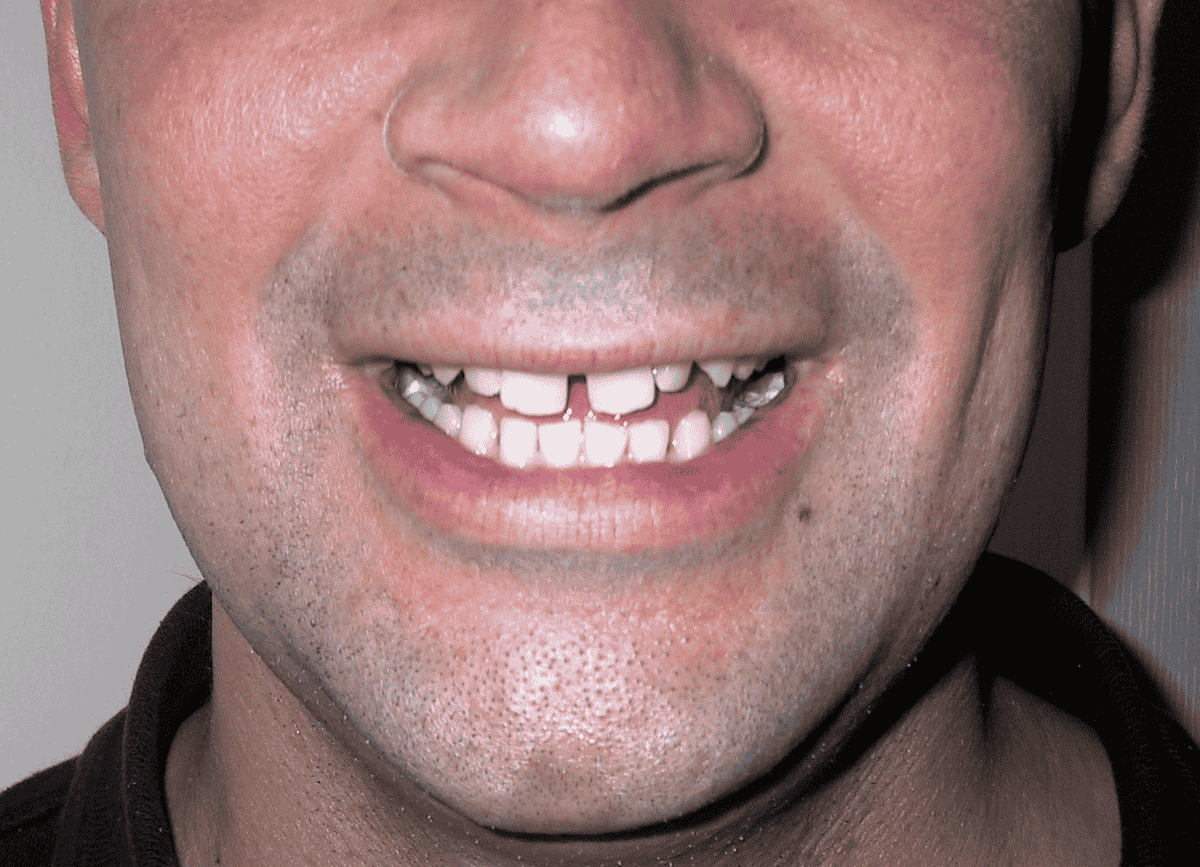
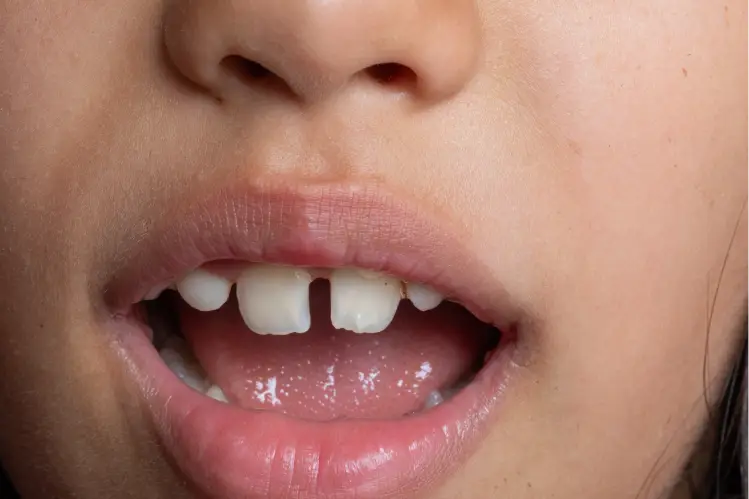
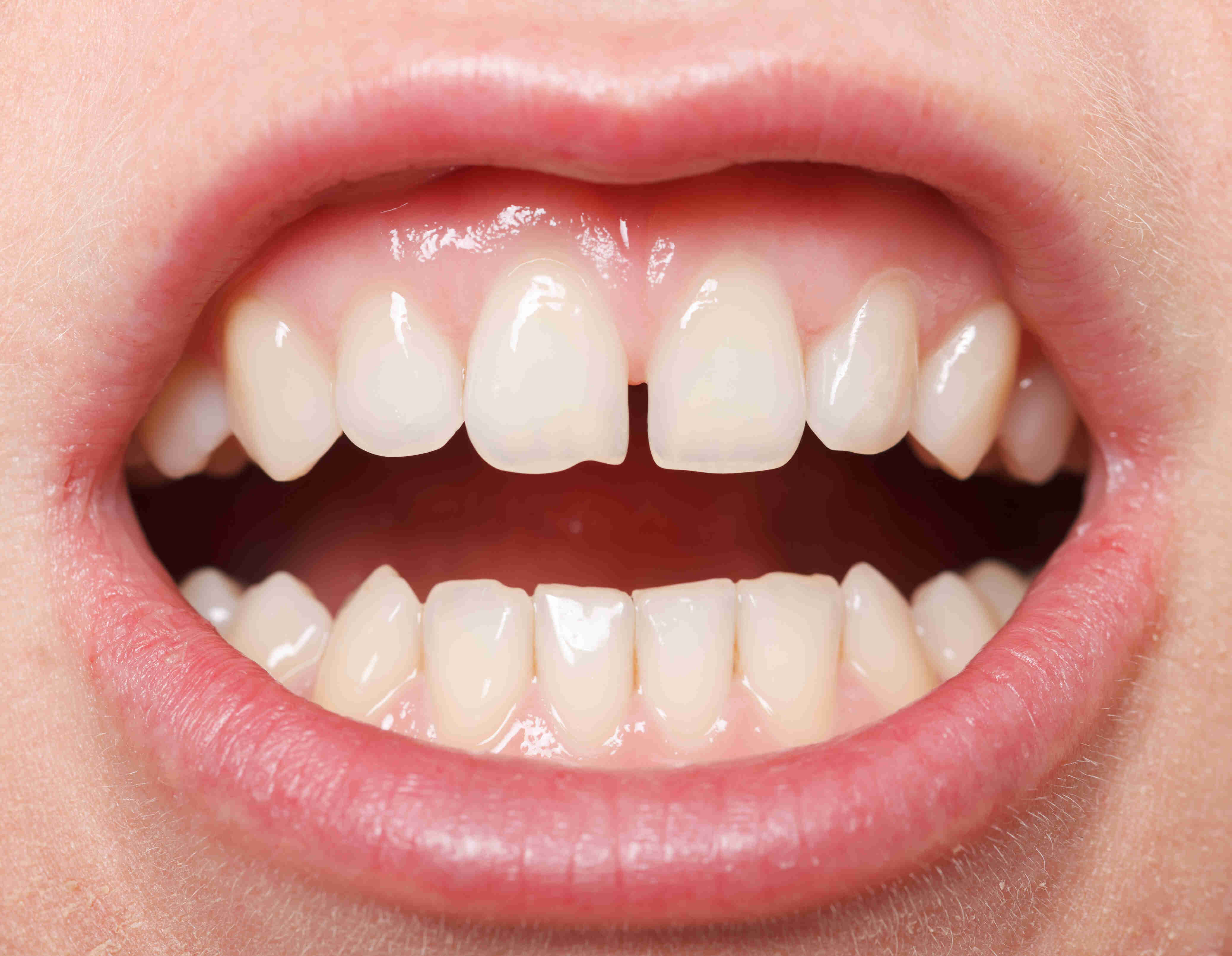
A diastema is a space between two teeth, most commonly the upper front teeth (midline diastema). The term typically applies when the gap is noticeable and wider than 0.5 mm. It’s often first noticed in childhood, especially during the transition from baby teeth to permanent teeth. In adults, gaps may persist or develop due to gum disease, bite misalignment, or missing teeth. While some gaps are harmless, others can be linked to functional concerns. Some people embrace the gap as a distinctive feature, while others choose to close it for aesthetic or dental health reasons.
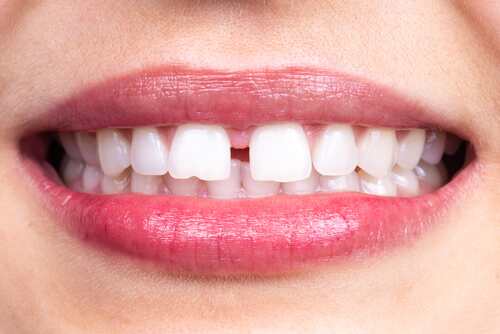
A teeth gap filling is a general term for closing the space between teeth. Dentists may use composite bonding, veneers, or teeth-straightening treatments depending on the cause and size of the gap. Some methods work by reshaping teeth, others by gently moving them into place. Your dentist will recommend what’s suitable after examining your bite, gums, and overall dental health.
Experiencing sharp pain, sensitivity to hot or cold foods, or food getting trapped in or around a filled tooth may point to an issue with the filling itself. Left untreated, these problems can lead to complications like decay or even a dental abscess, so early dental attention is important.
If you’re unsure whether a teeth gap filling is right for you, it’s best to consult a qualified dental professional. They can assess your oral health and recommend suitable options based on your needs.
This information is meant for educational purposes and should not replace professional dental advice. For a personalised evaluation, please speak with your dentist.
The teeth gap is filled in a single visit using materials shaped and hardened in the mouth. These are often suitable for small to medium gaps.
Custom-made in a dental lab, these are used when the gap is larger, or when additional tooth shaping, strength, or aesthetics are required. Typically placed over two visits unless your dentist uses CAD/CAM technology for same-day fitting.
These are typically used when the gap is small and the surrounding teeth are otherwise healthy.
If your teeth have shifted or the gap is due to alignment issues, orthodontic care may be the most appropriate or recommended approach.
If the gap is due to a missing or severely damaged tooth, your dentist may recommend a restorative option to restore both appearance and function.
For minor gaps, usually closed with composite resin. Often done in one visit.
Best suited for adult teeth, as their size and position have stabilised. Depending on the gap, treatment may involve resin, veneers, or braces.
Focuses on the visible gap between your upper front teeth. Popular choice for aesthetic reasons.
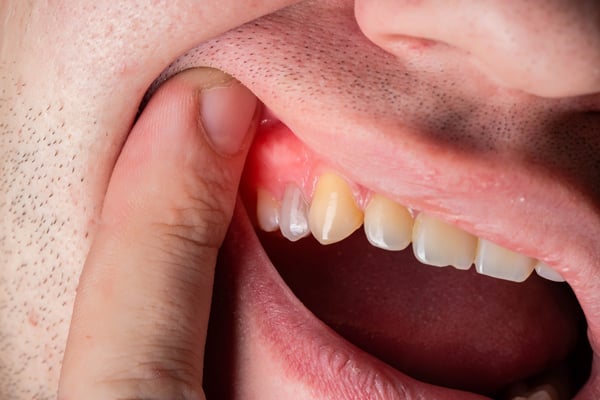
For gaps between premolars (flat teeth for chewing) or molars (back teeth for grinding). May need stronger materials like crowns or orthodontics.
There’s no one-size-fits-all solution for filling a teeth gap. Your ideal treatment depends on several factors, including the size and location of the gap, your age, bite alignment, and whether any underlying conditions need to be addressed. Here’s what to consider:
If your lateral incisors (the teeth beside your front ones) are smaller or peg-shaped, this may throw off the proportions of your smile. In these cases, cosmetic bonding or veneers can restore proper size and symmetry, often in a single visit.
Active issues like gum disease or tooth decay need to be treated before closing any gaps. If there’s structural damage, your dentist may suggest crowns or a combination of restorative and cosmetic procedures.
If you have gaps mainly in your upper teeth, closing them entirely may alter your bite.
In such cases, some spaces may need to be preserved, especially near the back teeth, to prevent the upper teeth from overlapping the lower teeth unnaturally. Your dentist may recommend a staged approach, combining aligners with bonding.
Here’s a table of diastema treatment options:
| Factor | Common Scenarios | Possible Treatment Options | Additional Considerations |
|---|---|---|---|
| Size of the Gap | - Gaps less than 2 mm - Gaps greater than 2 mm |
- Dental bonding or veneers - Braces or aligners |
Treatment choice may vary based on gap size and dental goals |
| Location of the Gap | - Front teeth - Side or back teeth - Gaps around baby or canine teeth |
- Cosmetic treatments such as bonding or veneers - Orthodontic options - Reshaping or replacement depending on assessment |
Function and aesthetics are both considered in treatment planning |
| Tooth Size and Shape | Peg-shaped or small lateral incisors | Cosmetic options such as bonding or veneers | May involve reshaping for visual balance |
| Underlying Causes | - Presence of a labial frenulum between front teeth - Teeth smaller than jaw size |
- Minor surgical procedure (e.g. frenectomy) followed by aligners or bonding - Orthodontic treatment |
A clinical assessment is required to determine underlying cause |
| Age and Jaw Development | - Children under 12 - Teens and adults |
- Monitoring for natural changes - Orthodontic or cosmetic options based on age |
Jaw development stage may influence treatment timing |
| Oral Health Condition | Presence of gum disease, tooth decay, or damage | Restorative treatment before cosmetic/orthodontic steps | Initial treatment is focused on stabilising oral health |
| Bite Alignment | Gaps mainly in upper arch or near back teeth | - Aligners - Selective spacing adjustments |
Changes to spacing may influence bite and require a staged approach |
Have questions about your teeth gap?
A licensed dental professional can help assess your unique situation and explain the available treatment options. Schedule a dental consultation to learn more.
Careful tooth surface preparation and appropriate bonding materials are used to support the durability of the filling. You’ll also receive personalised aftercare instructions, including foods and habits to avoid in the first few days, to help your filling heal and stay in place.
The filling is shaped and checked against your bite as part of the treatment process. During your follow-up visit, we monitor for early signs of bite misalignment, so adjustments can be made before problems arise.
The choice of teeth gap filling depends on your orthodontic needs, comfort preferences, and maintenance routine. Fees listed are indicative and may vary based on clinical assessment and treatment needs.
| Treatment Type | Estimated Cost Range |
|---|---|
| Direct Fillings | |
| Composite Resin Fillings | SGD $90 – SGD $300 per tooth |
| Resin Ionomer Fillings | SGD $50 – SGD $220 per tooth |
| Glass Ionomer Fillings | SGD $50 – SGD $220 per tooth |
| Indirect Fillings | |
| Porcelain Inlays/Onlays | SGD $250 – SGD $800 per tooth |
| Ceramic Fillings | SGD $250 – SGD $500 per tooth |
| Gold Fillings | SGD $250 – SGD $600 per tooth |
| Non-Invasive Options | |
| Composite Bonding | SGD $160 – SGD $330 per tooth |
| Cosmetic Contouring | SGD $900 – SGD $2,500 per tooth |
| Porcelain Veneers | SGD $800 - SGD $2,000 per tooth (Standard market range for clinical transparency; actual fees vary by case complexity). |
| No-prep Veneers | SGD $380 – SGD $1,000 per tooth |
| Orthodontic Treatments | |
| Braces | SGD $3,500 – SGD $12,000 per set |
| Invisalign or Clear Aligners | SGD $3,000 – SGD $9,500 per set |
| Frenectomy | SGD $600 - SGD $2,500+ per procedure |
| Restorative Solutions |
|
| Crowns | SGD $300 – SGD $2,500 per tooth |
| Bridges | SGD $650 – SGD $3,000+ per unit |
| Dental Implants | SGD $2,500 - SGD $7,000 per implant |
| Partial Dentures | SGD $360 – SGD $900 per arch |
*All fees are subject to prevailing Singapore Goods and Services Tax.
*Fee adjustments may apply depending on the number of teeth treated.
Cosmetic dental procedures like teeth gap filling are usually not covered by MediSave. This scheme focuses on medically necessary treatments, not appearance-related ones. However, if the gap filling is part of restorative work, such as fixing damage caused by injury or decay, partial coverage may be possible.
CHAS subsidies generally apply to medically needed treatments. That said, if a filling restores function (e.g. after trauma), it may qualify. Subsidies are subject to clinical assessment and prevailing Ministry of Health (MOH) guidelines. Patients may present their CHAS or MediSave-linked cards to determine if their specific clinical case meets the criteria for subsidy coverage.
Dental insurance coverage varies. Some plans include fillings, while others exclude cosmetic procedures. It’s best to check your policy before starting treatment. Your dentist can help assess if your case qualifies for coverage.
If you’re considering filling a teeth gap - whether for looks, comfort, or oral health - we invite you to speak with our dental team. Our dental team can explain the available options to support informed decision-making.
Brush and floss regularly: Brush twice a day and floss daily to remove food and plaque. This helps prevent gum disease, which can cause teeth to shift and create gaps.
Try interdental brushes if flossing isn’t enough: For wider or awkward spaces, interdental brushes may work better than regular floss.
Focuses on the visible gap between your upper front teeth. Popular choice for aesthetic reasons.
See your dentist early if your gums bleed or feel sore: Bleeding or sore gums may seem like minor issues, but they can be early signs of issues that lead to tooth movement. Getting them checked early helps protect the bone and tissue that keep your teeth stable, reducing the risk of gaps developing over time.
Avoid thumb sucking or tongue thrusting (especially in children): These habits can push teeth forward and create gaps. If they continue beyond age four, consult your dentist for support in breaking the habit.
Have an orthodontic evaluation during childhood or adolescence: Early orthodontic assessments can identify alignment or bite issues before they become more complex. Timely intervention may prevent gaps from forming or worsening.
Fix small gaps early with braces or aligners: Treating gaps while teeth are still developing is often quicker and more effective.
Wear your retainer after braces: Skipping retainers can cause teeth to shift back and create new gaps.
Avoid extreme temperatures to minimise sensitivity: Try to avoid consuming foods or drinks hotter than 60°C (e.g. freshly brewed coffee or tea) or colder than 5°C (e.g. ice water or straight-from-freezer items). Sudden temperature changes can trigger sensitivity, especially after dental work.
FAQs
In most healthy mouths, gaps between teeth do not naturally widen simply because of aging. However, changes in gum health, bone support, wear and tear, tooth loss, or other factors can lead to slight shifts in spacing over time. Regular dental check-ups and good oral care help detect and manage any changes early.
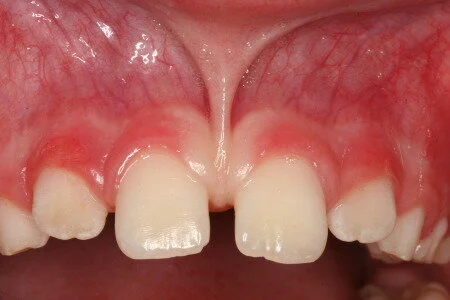
In children, small gaps sometimes close as permanent teeth grow in. For adults, gaps almost never close up without some kind of treatment. If gum disease or a big frenum (small fold of tissue connecting lips, cheeks, or tongue) causes the gap, it might even get wider as time goes on.
Teeth gaps should not be treated using home or DIY methods. Closing gaps safely requires proper assessment and clinical techniques. A dentist can advise whether treatment is appropriate and which option may be suitable.
That really depends on what you choose. Dental bonding usually holds up for about 3 to 10 years if you take care of it. Veneers may last between 10 to 20 years, while dental implants may last 20 years or more, depending on individual health and maintenance. Seeing your dentist regularly and keeping up with brushing and flossing definitely helps treatments last.
Discomfort levels vary, and many procedures are performed with measures to improve patient comfort. Dental bonding often doesn’t even need anaesthesia unless the dentist has to prep the tooth. For veneers or other treatments, your dentist might use a local anaesthetic to keep things comfortable.
With bonding, eating is usually possible soon after treatment, though dietary precautions may be advised. After getting veneers, just wait until any numbness goes away before you eat.
No, flossing doesn’t create gaps. It removes plaque and food between teeth, helping prevent gum disease and recession, both of which can lead to gaps. If gums bleed or feel swollen at first, that’s usually a sign of inflammation, not damage from flossing.
Yes, gaps in children are often temporary. They usually close as adult teeth come in. However, if gaps persist after age 12-13, it’s worth seeing an orthodontist to check whether early treatment might be needed for proper alignment.
Abrahams, R., & Kamath, G. (2014). Midline diastema and its aetiology–a review. Dental update, 41(5), 457-464.
Fill out the form for any request or questions you have and we will contact you within one working day.
Root Canal Treatment Cost
The price varies according to the unique treatment prescribed to each individual patient. For example, if a root canal treatment is require for more than one root, the cost would go up as well. However, saving the tooth with a Root Canal treatment is relatively cost-efficient in the long run.
A Root Canal Treatment procedure in Singapore's price ranges from S$500 - S$1700. However, the price may or may not include the crowning of the tooth and consultation charges. Average consultation prices of dental services in Singapore ranges from S$75- S$200.
Is a Root Canal Treatment procedure painful?
Can I go about my day to day activities after a Root Canal Treatment?
Most patients are able to return to school or work the next day following a Root Canal Treatment. However, it is advised against eating immediately post-surgery as there may be numbness in the affected area.
What are the side effects of a Root Canal Treatment?
What is the aftercare for a Root Canal Treatment?
Can a Root Canal Treatment be unsuccessful?
Nuffield Dental Jewel
Wheelock Place501 Orchard Road #05-01 Singapore 238880

Nuffield Dental Seletar
Greenwich V
1 Seletar Road #01-07/08
Singapore 807011
Nuffield Dental Kovan
Simon Plaza
2 Kovan Road #01-03
Singapore 548008
Nuffield Dental Serangoon Gardens
Serangoon Garden Estate
57 Serangoon Garden Way
Singapore 555953
Nuffield Dental Siglap
The Domain
914 East Coast Road #01-03
Singapore 459108
Nuffield Dental Simpang Bedok
East Village
430 Upper Changi Road #01-64
Singapore 487048
Nuffield Dental Holland Village
7 Holland Village Way #03-16
Singapore 275748
Nuffield Dental Westgate
Westgate
3 Gateway Dr #04-32
Singapore 608532
Nuffield Dental HarbourFront
HarbourFront Centre
1 Maritime Square #02-64A
Singapore 099253
Nuffield Dental Jewel
Wheelock Place
501 Orchard Road #05-01
Singapore 238880
Nuffield Dental Raffles Place
One Raffles Place
1 Raffles Place #05-19
Singapore 048616

Nuffield Dental is a one-stop, multi-disciplinary dental care centre in Singapore. At Nuffield, we put you first. We believe in providing personalised service for each patient.
Nuffield Dental is a one-stop, multi-disciplinary dental care centre. Here at Nuffield Dental, we pride ourselves of our personalised oral care for each and every one of our patients. We need to make sure you get all the help you need to make your dental procedures comfortable, accessible and seamless.
Our dentists have been accredited in root canal and oral surgery for 20+ years. We have accredited dental providers who are skilled in the area of dental implant surgery.
The newest and best lifestyle articles selected by our editorial team.

Current scientific evidence does not show a conclusive connection between intact dental amalgam fillings and symptoms such as brain fog, chronic...
The Minamata Convention on Mercury established 2034 as the global target year to end the use of dental amalgam. While this may seem gradual, the...
Dental amalgam has been used in restorative dentistry for more than 150 years. It has long been regarded as a durable and practical material....