Locate Us

Oral Microbiome Test: When You May Need it, Benefits & Process

tooth leaning right tooth leaning left big tooth big tooth
95270 (1)

What is the Oral Microbiome?

The oral microbiome is the mix of bacteria, fungi, and other microbes that live throughout your mouth - on your teeth, gums, tongue, and in your saliva. Some support oral health by keeping things in balance, while others may contribute to issues like gum disease or tooth decay if they become dominant (i.e. overpower beneficial bacteria that help maintain a healthy balance in your mouth).

What Is an Oral Microbiome Test?

The oral microbiome test checks which microbes are in your mouth and whether their levels are balanced. It can help spot bacteria linked to gum disease or tooth decay, such as P. gingivalis, T. denticola, T. forsythia, F. nucleatum, S. mutans, and S. sobrinus, even before symptoms show up. Some tests may also screen for other less common strains like L. casei and A. actinomycetemcomitans.

With all that said, it’s not just about your mouth. Research has explored potential links between oral microbial imbalances and conditions such as heart disease, pregnancy complications, and respiratory infections. While further evidence is needed, understanding your oral microbiome may contribute to broader health awareness. Identifying microbial imbalances early may support oral health management and contribute to overall care planning.

2148104932

How Do I Know if I Need an Oral Microbiome Test?

  • Persistent bad breath: You have bad breath (halitosis) that lasts for more than 2-3 weeks despite regular brushing, flossing, or mouthwash use.
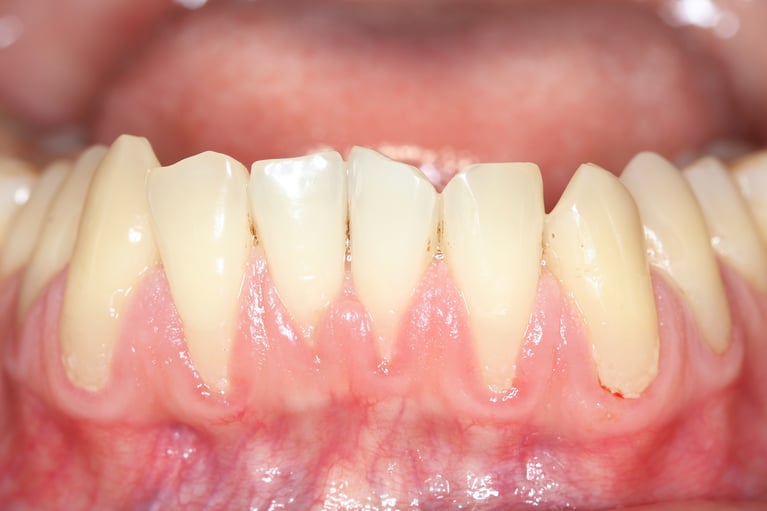
  • Bleeding or inflamed gums: Your gums bleed easily or feel tender, even if you haven’t been diagnosed with gum disease.
  • Recurring tooth decay: You’ve had multiple cavities despite a good oral hygiene routine.
  • Plaque and tartar buildup: You regularly experience plaque or tartar despite consistent brushing, which could point to an imbalance in your mouth’s bacteria.
  • Oral lesions: You develop canker sores (small, shallow ulcers that form inside the mouth and cause discomfort) or other mouth ulcers.
  • Changes in saliva: You’ve noticed changes in taste, texture, or dryness of your saliva that persist even when you stay hydrated and maintain good oral hygiene.
  • Frequent oral discomfort: You often experience sensitivity, ulcers, or a coated tongue, with no clear cause identified during check-ups.
  • Chronic health conditions: You’re managing diabetes or autoimmune issues, where oral bacteria and inflammation may play a role.
  • Proactive health screening: You’re curious about your oral health at a microbial level, even if you don’t have visible symptoms.


If any of these apply, a dentist can help assess whether this test is suitable as part of your care. To find out more or book a screening, you can contact any Nuffield Dental clinic.

Oral Microbiome Test Benefits

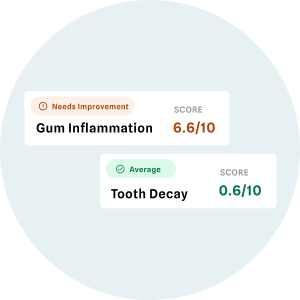
  • May help identify microbial imbalances before clinical symptoms appear:  Oral diseases like gum inflammation or decay often begin without clear symptoms. Testing helps spot microbial imbalances early.
  • Personalised care planning: The test shows which bacteria are dominant, so your dentist can tailor advice, treatments, or hygiene routines accordingly.
  • Clarity for unresolved problems: If you're facing recurring oral issues, this test can uncover causes that don’t show up during standard dental check-ups.
  • Progress tracking: Follow-up tests help monitor changes in your oral bacteria after treatment, diet adjustments, or new products
2151053270 (1)

Here’s How The Oral Microbiome Test Works

Here's how it works
95270 (1)
Step 1

Sample Collection

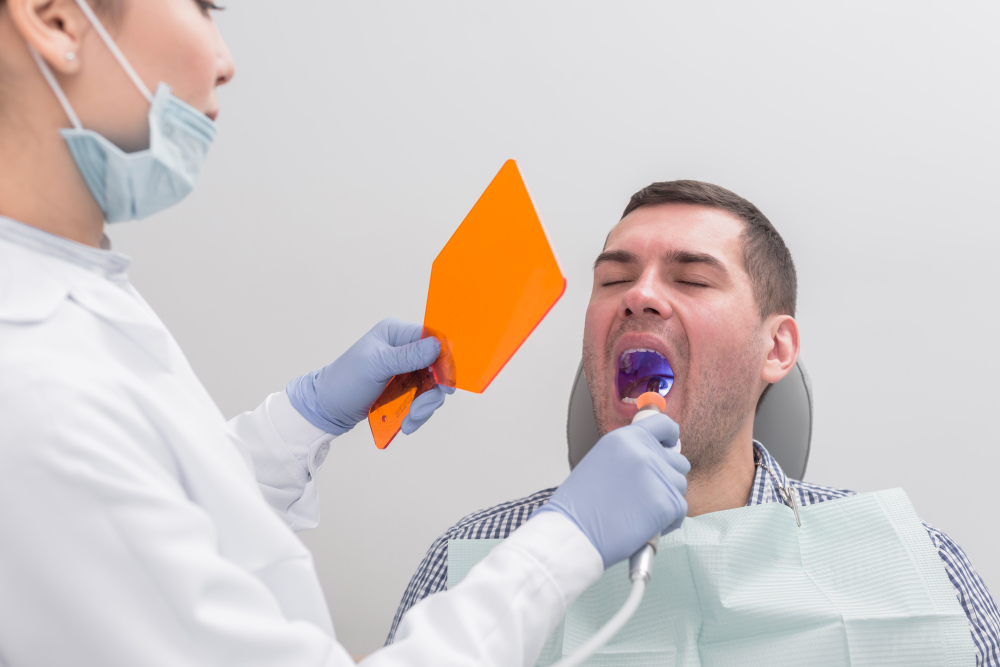
You’ll provide a saliva sample, or your dentist may collect it with a gentle swab. For best results, the sample is usually taken in the morning or at least 1-2 hours after eating, drinking, brushing, or using mouthwash. 

2148794474 (1)
Step 2

Lab Analysis

The sample is sent to a lab where DNA technology is used to identify and quantify the microbes present.

Group 1000004563
Step 3

Results (Review and Personalised Plan)

Within 1-2 weeks, results are provided detailing which bacteria or fungi were detected and in what amounts. Based on the findings, a personalised care plan will be created – this can include hygiene guidance, dietary recommendations, or follow-up treatments to support a healthier oral microbiome.

What Oral Microbiome Testing Can Tell You About Your Health

  • Bacterial balance: Shows whether helpful and harmful microbes are in balance, or if certain strains are becoming dominant.
  • High-risk bacteria detection: Identifies bacteria linked to conditions like gum disease, decay, or inflammation - often before symptoms are visible.
  • Protective bacteria levels: Highlights whether beneficial bacteria are present in healthy numbers.
  • Acidity (pH) levels: Reveals if your mouth’s environment is too acidic, which can affect enamel strength and bacteria growth.
  • Fungal presence: Detects organisms like Candida that may contribute to discomfort or oral irritation.
  • Links to overall health: May highlight microbial patterns associated with wider concerns such as heart health, digestive symptoms, or inflammation-related issues.
  • Clues for persistent symptoms: Can help explain ongoing problems like bad breath or bleeding gums, especially when routine exams don’t show a clear cause.
2148794474 (1)

Microbes Typically Tested For

Pathogenic Bacteria

Acinetobacter species

Aggregatibacter actinomycetemcomitans

Haemophilus species
Porphyromonas gingivalis
Pseudomonas aeruginosa
Staphylococcus aureus
Tannerella forsythia

Treponema denticola

Opportunistic Bacteria

Campylobacter species (e.g. Campylobacter rectus)

Capnocytophaga species (e.g. Capnocytophaga gingivalis)

Enterococcus faecalis

Fusobacterium species (e.g. Fusobacterium nucleatum)

Parvimonas micra

Peptostreptococcus species (e.g. Peptostreptococcus anaerobius)

Prevotella species (e.g. Prevotella intermedia)

Streptococcus species (e.g. Streptococcus mutans)

Fungi

Candida species (e.g. Candida albicans)

Protective Flora

Lactobacillus species
Streptococcus salivarius

 
While the test offers valuable insights, it’s not a substitute for a diagnosis.
It doesn’t detect all diseases or provide treatment on its own, but it helps your dentist tailor care based on your microbial profile.

Cost of Oral Microbiome Test in Singapore

Pricing for oral microbiome tests can vary. Some clinics offer it on its own, while others include it as part of a consultation or health screening.

At our clinic, the oral microbiome test is priced at SGD $750 (+GST).

What may affect the cost:

  • The type of clinic and lab used
  • Whether follow-up consults are included

Since the test is most useful when paired with professional interpretation, it's worth checking what your clinic includes with the price.

To enquire about current rates or book a screening, you can contact us here.

Cost of Oral Microbiome Test in Singapore

67303 (1)

What to Expect at Nuffield Dental for Oral Microbiome Testing

  • Everything handled in one place: From sample collection to lab coordination to consultation, everything is done through the clinic. You won’t need to chase third-party labs.
  • Your test leads to next steps, not guesswork: At Nuffield, your results are reviewed during a consult - not just handed over. You’ll walk away with a clearer understanding of what’s happening in your mouth and what to do about it.
  • Care that connects the dots: Whether you're dealing with gum issues, recurring decay, or just want to prevent future problems, our dentists use your results to guide decisions around hygiene routines, treatments, and follow-ups.

FAQs

How accurate are oral microbiome test results?

The test uses lab-based sequencing methods backed by scientific research. While it doesn’t detect every possible microbe, it provides a reliable overview of the bacteria and fungi in your mouth. This can help guide your dentist’s recommendations, especially if you’re looking for proactive or personalised care.

Is the oral microbiome test painful?

Not at all. It’s a simple and gentle process, usually just a saliva sample or a quick swab inside your mouth. You won’t feel any pain, and it only takes a few minutes.

How long will it take to receive my test results?

Your results will be ready around 3 to 4 weeks after your sample arrives at the lab.

Will the oral microbiome test replace dental check-ups?

No. It’s meant to complement, not replace, your usual check-ups. It adds another layer of insight that helps your dentist understand what’s going on at a microbial level, even if everything looks fine on the surface.

Can I take this test at home, or does it have to be done in a clinic?

The oral microbiome test at Nuffield Dental is done in-clinic to ensure accuracy and proper handling. Our team will collect the sample and coordinate with the lab, so you don’t have to manage anything on your own.

Can I take the test if I’m on antibiotics?

It’s best to wait 2-4 weeks after finishing antibiotics. These medications can temporarily change your microbial balance, which may affect the accuracy of the results.

Can I take the test if I’m pregnant?

Yes. The test is non-invasive and safe during pregnancy. That said, hormone changes during pregnancy can affect your oral microbiome, so your results may look different compared to other times in your life.

Should I take an oral microbiome test before treating gum disease?

Not necessarily. Treating gum disease usually focuses on removing plaque and reducing inflammation, not targeting specific bacteria. However, this test may offer deeper insight into your microbial balance, which can be helpful if you’ve had recurring issues or want a more tailored approach.

Will my test results be kept private?

Yes. Your results are handled with strict confidentiality and only shared with your attending dentist. They’re used solely to support your care and are not shared with third parties without your consent.

Medical References

Deo, P. N., & Deshmukh, R. (2019). Oral microbiome: Unveiling the fundamentals. Journal of oral and maxillofacial pathology, 23(1), 122-128.

Lim, Y., Fukuma, N., Totsika, M., Kenny, L., Morrison, M., & Punyadeera, C. (2018). The performance of an oral microbiome biomarker panel in predicting oral cavity and oropharyngeal cancers. Frontiers in cellular and infection microbiology, 8, 267.

Martins, F. P., Andrade-Silva, J., Teixeira, B. L., Ferrari, A., Christoff, A. P., Cruz, G. N. F., ... & Hernandes, C. (2024). Oral microbiome test as an alternative diagnostic tool for gastric alterations: A prospective, bicentric cross-sectional study. PloS one, 19(12), e0314660.

medical-appointment 1

Book an Appointment

Fill out the form for any request or questions you have and we will contact you within one working day.

Cost Of Root Canal Treatment In Singapore

implants

Cost Of Root Canal Treatment In Singapore

Root Canal Treatment Cost

The price varies according to the unique treatment prescribed to each individual patient. For example, if a root canal treatment is require for more than one root, the cost would go up as well. However, saving the tooth with a Root Canal treatment is relatively cost-efficient in the long run. 


A Root Canal Treatment procedure in Singapore's price ranges from S$500 - S$1700. However, the price may or may not include the crowning of the tooth and consultation charges. Average consultation prices of dental services in Singapore ranges from S$75- S$200. 

Root Canal Treatment FAQs

Is a Root Canal Treatment procedure painful?


  • The entire procedure will be done under local anaesthesia, so it will not be painful than getting your tooth filled or a wisdom tooth surgery. However, the affected area may cause discomfort and be slightly sore post-surgery but it goes away after a few days. 
  • If the pain persists, please consult our doctor immediately. You can reach us at +65 9839 7363.

    Can I go about my day to day activities after a Root Canal Treatment? 

  • Most patients are able to return to school or work the next day following a Root Canal Treatment. However, it is advised against eating immediately post-surgery as there may be numbness in the affected area. 


What are the side effects of a Root Canal Treatment?

  • The side effects of a Root Canal Treatment differs with each individual. Some people may experience pain or a slight soreness post-surgery, and some people may experience little to no pain at all. This also applies to certain patients experiencing a measured amount of sensitivity associated to cold or heat when consuming food or beverages. 

What is the aftercare for a Root Canal Treatment? 


  • As a Root Canal Treatment is considered a restorative procedure, the after-care is deemed crucial to experience lasting effects. After your procedure, your dentist will send you home with pain-killers to counter the soreness you may feel when the anaesthesia wears off. It is also strongly advised against the consumption of food until the numbness wears off. Brushing and flossing daily is encouraged to keep the area clean and this in turn would prevent infection. Upon completing any follow-up appointments for the Root Canal Treatment, you may be required to return to the dentist for a final crown to fully restore the tooth. A properly treated and restored tooth can last as long as your natural teeth. 

Can a Root Canal Treatment be unsuccessful? 


  • A Root Canal Treatment has a 90% success rate of fully restoring your tooth. However. failure to fully restore your tooth can occur if there is a loose crown, tooth fracture or decay. Undetected canal branches or an obstruction that causes the cleaning difficulties may also cause a Root Canal Procedure to fail. Should your Root Canal Treatment be unsuccessful, explore options with Nuffield's Endodontist for possible solutions. 


Orchard Dental

Nuffield Dental Jewel
Wheelock Place501 Orchard Road #05-01 Singapore 238880

The Nuffield Dental Clinic Network In Singapore

Seletar Dental

Nuffield Dental Seletar
Greenwich V
1 Seletar Road #01-07/08
Singapore 807011

Kovan Dental

Nuffield Dental Kovan
Simon Plaza
2 Kovan Road #01-03
Singapore 548008

Serangoon Dental

Nuffield Dental Serangoon Gardens
Serangoon Garden Estate
57 Serangoon Garden Way
Singapore 555953

Siglap Dental

Nuffield Dental Siglap
The Domain
914 East Coast Road #01-03
Singapore 459108

Bedok Dental

Nuffield Dental Simpang Bedok
East Village
430 Upper Changi Road #01-64
Singapore 487048

Holland Village Dental

Nuffield Dental Holland Village
7 Holland Village Way #03-16
Singapore 275748

Jurong East Dental

Nuffield Dental Westgate
Westgate
3 Gateway Dr #04-32
Singapore 608532

HarbourFront Dental

Nuffield Dental HarbourFront
HarbourFront Centre
1 Maritime Square #02-64A
Singapore 099253

Orchard Dental

Nuffield Dental Jewel
Wheelock Place
501 Orchard Road #05-01
Singapore 238880

Raffles Place Dental

Nuffield Dental Raffles Place
One Raffles Place
1 Raffles Place #05-19
Singapore 048616

featured_in_logos
background image

Why Choose Nuffield Dental?

Nuffield Dental is a one-stop, multi-disciplinary dental care centre in Singapore. At Nuffield, we put you first. We believe in providing personalised service for each patient.

Dental care

Nuffield Dental is a one-stop, multi-disciplinary dental care centre. Here at Nuffield Dental, we pride ourselves of our personalised oral care for each and every one of our patients. We need to make sure you get all the help you need to make your dental procedures comfortable, accessible and seamless.

Root Canal Treatment

Our dentists have been accredited in root canal and oral surgery for 20+ years. We have accredited dental providers who are skilled in the area of dental implant surgery.

Articles

The newest and best lifestyle articles selected by our editorial team.

  • 17 Nov 2025
  • 2 mins read
Can dental amalgam be connected to brain fog, tiredness, or lethargy?

Current scientific evidence does not show a conclusive connection between intact dental amalgam fillings and symptoms such as brain fog, chronic...

  • 17 Nov 2025
  • 2 mins read
Why Do We Have to Wait Until 2034 to Phase Out Amalgam?

The Minamata Convention on Mercury established 2034 as the global target year to end the use of dental amalgam. While this may seem gradual, the...

  • 17 Nov 2025
  • 2 mins read
What Are the Effects of Dental Amalgam on Humans?

Dental amalgam has been used in restorative dentistry for more than 150 years. It has long been regarded as a durable and practical material....