Locate Us

Sleep Apnea Treatment

tooth leaning right tooth leaning left big tooth big tooth
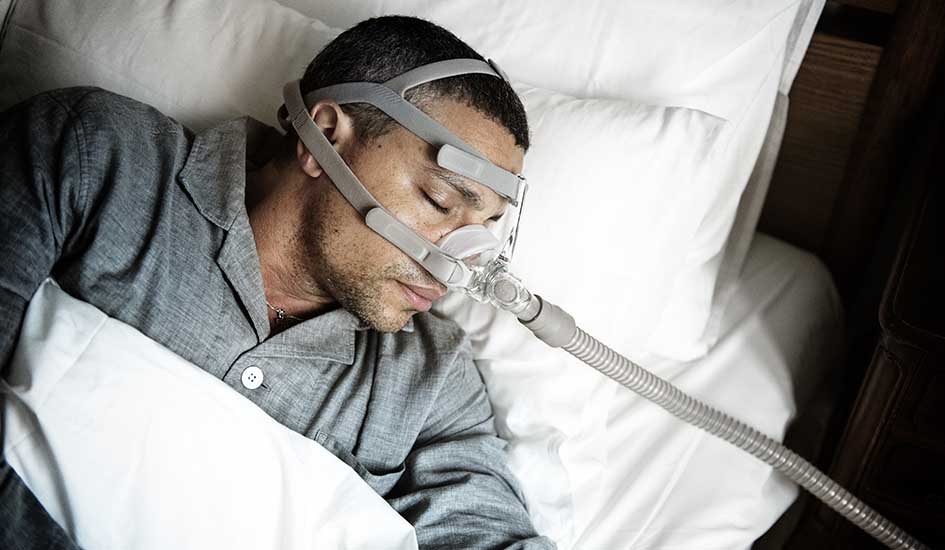
the-reality-about-obstructive-sleep-apnea-old-man-sleeping

The pauses happen during sleep, so they are usually reported by a partner rather than noticed by the person having them. That is part of why the condition stays unrecognised for so long, and why the first conversation about treatment often starts years after the symptoms did.


A community study in Singapore fitted adults with overnight sleep monitors and found that 30.5% had moderate to severe sleep-disordered breathing, the umbrella term that covers obstructive sleep apnea. Of that group, 91% had never been diagnosed.


Once it is diagnosed, the choice of treatment is not automatic. It depends on the severity recorded in the sleep study, on where in the airway the collapse is happening, and on what can realistically be used every night.


This guide covers the sleep apnea treatments available in Singapore, how far each one moves your AHI in published studies, what it costs in 2026, and which subsidies apply. You will also see the condition written as sleep apnoea, which is the British spelling of the same thing.

What Is Sleep Apnea?

Sleep apnea is a condition in which your breathing repeatedly stops and restarts while you sleep. In obstructive sleep apnea, the most common form, the soft tissue at the back of the throat relaxes far enough to block the airway. Your oxygen level falls, and your brain briefly rouses you to reopen the airway and restart the breath. This can happen dozens of times an hour without you ever waking properly.

Risk factors include an anatomical narrowing of the nose or throat, a genetic predisposition to facial and jaw structure that crowds the airway, weight gain, alcohol or medication that relaxes the upper airway muscles, male sex and increasing age.

The condition is common in Singapore. The Singapore Health Study estimated that 30.5% of the population has moderate to severe obstructive sleep apnea.

What Is Sleep Apnea?

Feb 2021 Post-11

Sleep Apnea Treatment

There is no single sleep apnea treatment that suits everyone. The right one depends on your AHI, the structure causing the obstruction, and honestly on what you will still be using in a yea

CPAP Therapy

Continuous positive airway pressure holds the airway open with a steady stream of pressurised air through a mask. It remains the first-line treatment for moderate to severe obstructive sleep apnea in every major guideline, including the 2024 joint clinical practice guideline from the American Academy of Sleep Medicine and the American Academy of Dental Sleep Medicine.

Three variants exist, and the one you are given changes how it feels:

  • CPAP: delivers one constant pressure all night.
  • APAP: adjusts pressure automatically, which suits people whose obstruction varies by position or sleep stage.
  • BPAP: delivers a higher pressure when you breathe in and a lower one when you breathe out, which helps if a single high pressure makes exhaling feel like work.

CPAP's reputation for being abandoned is dated. Recent studies put adherence at roughly 75% at both 90 days and one year, helped by lighter masks and quieter machines. A common clinical benchmark is at least four hours a night on 70% of nights.

If you are struggling in the first month, the problem is almost always the mask or the humidification, not the therapy. Ask to try a different mask style before you conclude that CPAP is not for you, because nothing else matches it for reducing events per hour.

Oral Appliances and Mandibular Advancement Devices

A mandibular advancement device is a custom-fitted appliance that holds your lower jaw forward while you sleep, which draws the tongue base away from the back of the throat. Tongue-retaining devices do a similar job by holding the tongue itself forward. This is the sleep apnea treatment most often fitted by a dentist rather than a sleep physician.

The evidence puts them behind CPAP on raw effectiveness and ahead of it on tolerability. In one two-year follow-up, 68% of 172 patients reached at least a 50% reduction in AHI. Guidelines recommend them for people who are intolerant of CPAP or who prefer an alternative, and for mild to moderate cases they are often a sensible starting point.

Fit quality decides the outcome. A fully customised device made from impressions of your teeth performs better and lasts longer than a semi-customised one, and boil-and-bite devices are not recommended by NICE.

Side effects are real but usually manageable: jaw discomfort, excess saliva, and over time small changes to your bite. That last one is why the dental review schedule matters, and why the cheapest device is rarely the cheapest decision.

Positional Therapy

If your apnea is much worse on your back, keeping you off your back is a legitimate treatment rather than a workaround. Devices range from wearable straps and vibrating position trainers to inserts sewn into sleepwear.

A Cochrane analysis found positional therapy reduced apnea events by 7.4 per hour. CPAP beat it by a further 6.4 events per hour, but people wore the positional device about 2.5 hours longer per night. For mild positional apnea that trade is often worth taking, and it combines well with an oral appliance. Expect one to two weeks before side-sleeping stops waking you.

Weight Loss and Medication

Fat around the neck and tongue narrows the airway, so weight loss changes the mechanics rather than just the symptoms. The dose-response is clearer than most people expect: a 10% reduction in body weight predicts a 26% decrease in AHI. Over ten years, intensive lifestyle intervention produced remission of obstructive sleep apnea in 34.4% of participants, against 22.2% for education alone.

In December 2024 the FDA approved tirzepatide for moderate to severe obstructive sleep apnea in adults with obesity, used alongside a reduced-calorie diet and increased physical activity. It is the first drug approved for the condition. The SURMOUNT-OSA programme randomised 469 participants across 52 weeks in two arms, one for people not using positive airway pressure and one for people already on it, and it reduced the apnea-hypopnea index, hypoxic burden and body weight against placebo in both. It is licensed for people with obesity, not for sleep apnea in general, and approval outside the US differs by country, so ask your doctor what applies here.

Bariatric surgery works on the same mechanism at a larger scale, with a limit worth knowing in advance. Moderate or severe obstructive sleep apnea persisted in 20% of patients afterwards, and post-surgical CPAP use fell to 49% of nights. Losing the weight does not automatically retire the machine, and a repeat sleep study is how you find out.

Myofunctional Therapy

Targeted exercises for the tongue, soft palate and facial muscles improve muscle tone in the airway. The effect is modest and slow, and it will not replace CPAP in severe cases, but it costs almost nothing, carries no side effects, and works alongside every other treatment here. Removable tongue muscle stimulators, used once daily while awake, are a device-based version of the same idea.

Hypoglossal Nerve Stimulation

An implanted device senses your breathing and stimulates the nerve controlling tongue movement, keeping the airway open as you inhale. It is designed for people who cannot tolerate CPAP and who meet narrow criteria: age 22 or older, an unsuccessful trial of CPAP, an AHI between 15 and 100 events per hour with no more than 25% central or mixed apneas, and a body mass index of 40 kg/m² or less.

Early results showed a 68% reduction in AHI and a 66% success rate, and refined surgical technique has since pushed success to between 75% and 80%. If your BMI is above 40 this is not open to you yet, which makes weight loss a gateway to the option rather than a competing choice.

When Is Surgery for Sleep Apnea Needed?

Surgery targets the specific structure blocking your airway, so the honest way to compare procedures is by how much of the obstruction each one removes.
 

Procedure

What it addresses

Reported effect

Maxillomandibular advancement

Moves upper and lower jaw forward, enlarging the whole airway

87% reduction in AHI across 234 patients

Hypoglossal nerve stimulation

Tongue collapse during inhalation

75% to 80% success with current technique

Tongue base reduction

Bulk of the tongue base

34% reduction in AHI

Uvulopalatopharyngoplasty

Soft palate, uvula and surrounding tissue

33% reduction in AHI

Tonsillectomy

Enlarged tonsils obstructing the airway

Most useful when tonsils are the main cause

Nasal surgery (septoplasty, turbinate reduction)

Nasal obstruction

Improves CPAP tolerance more than it resolves apnea


Obstructive Sleep Apnea Risks

  • Daytime sleepiness: raises the risk of road traffic and workplace accidents, and it is the symptom that can affect other people before it affects you.
  • Raised blood pressure: the repeated overnight oxygen drops keep the sympathetic nervous system active, and hypertension in this setting often resists medication.
  • Cardiovascular and metabolic strain: untreated OSA is associated with ischaemic heart disease, atrial fibrillation, stroke and type 2 diabetes.

A sleep study establishes how severe your OSA is and which of these apply to you. If you have been told you stop breathing during sleep, or you feel sleepy during the day despite adequate time in bed, arrange an assessment before the symptoms affect your driving or your work.

Obstructive Sleep Apnea Complications

  • Heart failure and pulmonary hypertension: these can develop or worsen over years of untreated disease.
  • Cognitive and mood changes: memory, attention and concentration are affected, and depression and anxiety are more common in people with untreated OSA.
  • Anaesthetic risk: undiagnosed OSA raises airway risk during surgery, which is why it should be declared before any procedure under sedation.

Most of this is the risk of leaving the condition alone. Regular review and a confirmed, effective treatment can help prevent long-term problems from untreated obstructive sleep apnea. If your symptoms return after treatment, or your device stops feeling effective, contact the clinic for a review

Aftercare And Follow-Up

  • First week: jaw soreness, excess saliva and a dry throat are common and usually settle. Wear the appliance every night so the tissues adapt, and use the morning repositioner for a few minutes after removal.
  • Weeks 2 to 24: advance the device in small increments as instructed, and report changes in snoring and daytime alertness at each review.
  • Daily care: clean with a soft brush and cool water. Hot water distorts the acrylic.
  • What you may notice: small bite changes can develop over years of nightly wear as the upper front teeth tip back and the lower teeth tip forward. This is expected and is what the annual review checks for.
  • When to contact your dentist: persistent jaw pain, an appliance that no longer fits, or the return of daytime sleepiness.
  • Follow-up visits: annual review, or every six months for heavy grinders, to check the fit, the bite and the condition of the device. Appliances typically last two to five years.

Sleep Apnea Treatment Cost In Singapore (2026)

At Nuffield Dental, the cost of sleep apnea treatment varies depending on which appliance is prescribed and how complex your case is. The main cost components include the initial consultation and airway assessment, the sleep test used to confirm your diagnosis, any imaging needed to measure your airway, and the custom oral appliance itself.

Are There Subsidies For Sleep Apnea Treatment In Singapore?

MediSave

You can use MediSave for certain sleep apnea diagnostic tests and for approved surgical procedures such as tonsillectomy and nasal surgery, subject to the prevailing MOH claim limits. CPAP machines and dental oral appliances are generally not claimable as equipment. The rules depend on the specific procedure code, so confirm your eligibility with the clinic before you commit.

Dental Insurance And Integrated Shield Plans

Sleep studies, specialist consultations and oral appliance therapy are covered in part by some employer dental plans and Integrated Shield riders. Many plans treat an oral appliance as a dental prosthesis instead of a medical device, which changes the limit that applies. Ask your insurer for the position in writing before treatment starts.

CHAS

Cardholders can use CHAS subsidies for dental treatment at participating clinics. Sleep apnea appliances are not part of the standard CHAS dental scope. The routine dental care needed before an appliance can be fitted, such as scaling, fillings and extractions, may be covered.

Preventing Sleep Apnea

  • Manage your weight: weight has a clear and well-documented effect on AHI.
  • Keep your nose clear: treat allergic rhinitis and chronic sinusitis, because a blocked nose forces mouth breathing.
  • Move your last alcoholic drink earlier in the evening and review any sedating medication with your doctor rather than stopping it yourself.
  • Stop smoking: inflammation and fluid retention narrow the upper airway.
  • Sleep off your back if you snore.
  • Treat children's airway problems early: persistent mouth breathing during growth alters facial development in ways that are harder to correct later.
  • Keep your teeth: tooth loss and the bite collapse that follows it reduce the space available for the tongue.

How Nuffield Dental Can Help With Sleep Apnea

Dr Samintharaj Kumar holds a Bachelor of Dental Surgery (Singapore, 2001) and a medical degree (MBBS, London, 2006), along with the MFDS RCS, MFD RCSI and MRCS from the Royal Colleges of Surgeons of England and Ireland. His listed clinical interests include sleep dentistry, obstructive sleep apnea, anti-snoring treatment and myofunctional orthodontics.

Sleep Apnea Treatment FAQs

In some cases it can be cured. A child whose sleep apnea is caused by enlarged tonsils is usually cured by removing them. An adult with mild disease driven by weight can resolve it through weight loss. Maxillomandibular advancement can be curative where the cause is skeletal. For most adults, though, this is a managed condition, in the same way hypertension is managed.

CPAP brings the AHI down more completely. Oral appliances often achieve comparable real-world results in mild to moderate sleep apnea because patients wear them more consistently. The way to settle the question for yourself is the follow-up sleep study described above.

CPAP stops the events on the first night you use it correctly. An oral appliance is advanced gradually over roughly four to six months before it reaches its final position. Daytime sleepiness and morning headaches usually improve within the first one to two weeks of consistent use of either.

Often yes, and the two frequently travel together, because clenching is one of the ways the body forces a closing airway back open. A mandibular advancement device is not a night guard and the two are priced separately, so say at the assessment if you already wear one. Heavy grinders are reviewed every six months rather than annually, since the acrylic takes more punishment.

A dentist is a sensible starting point if you have been told you grind your teeth, if your symptoms are snoring and daytime tiredness, or if you have tried CPAP and stopped. An ENT specialist is the right starting point if you have significant nasal obstruction, large tonsils, or severe disease with marked oxygen desaturation. Many patients end up seeing both.

Medical References

Benjafield, A. V., Ayas, N. T., Eastwood, P. R., Heinzer, R., Ip, M. S. M., Morrell, M. J., Nunez, C. M., Patel, S. R., Penzel, T., Pepin, J. L., Peppard, P. E., Sinha, S., Tufik, S., Valentine, K., & Malhotra, A. (2019). Estimation of the global prevalence and burden of obstructive sleep apnoea: A literature-based analysis. The Lancet Respiratory Medicine, 7(8), 687-698. https://doi.org/10.1016/S2213-2600(19)30198-5


Chung, F., Abdullah, H. R., & Liao, P. (2016). STOP-Bang questionnaire: A practical approach to screen for obstructive sleep apnea. Chest, 149(3), 631-638. https://doi.org/10.1378/chest.15-0903


Gottlieb, D. J., & Punjabi, N. M. (2020). Diagnosis and management of obstructive sleep apnea: A review. JAMA, 323(14), 1389-1400. https://doi.org/10.1001/jama.2020.3514


Kapur, V. K., Auckley, D. H., Chowdhuri, S., Kuhlmann, D. C., Mehra, R., Ramar, K., & Harrod, C. G. (2017). Clinical practice guideline for diagnostic testing for adult obstructive sleep apnea: An American Academy of Sleep Medicine clinical practice guideline. Journal of Clinical Sleep Medicine, 13(3), 479-504. https://doi.org/10.5664/jcsm.6506


Peppard, P. E., Young, T., Palta, M., Dempsey, J., & Skatrud, J. (2000). Longitudinal study of moderate weight change and sleep-disordered breathing. JAMA, 284(23), 3015-3021. https://doi.org/10.1001/jama.284.23.3015


Ramar, K., Dort, L. C., Katz, S. G., Lettieri, C. J., Harrod, C. G., Thomas, S. M., & Chervin, R. D. (2015). Clinical practice guideline for the treatment of obstructive sleep apnea and snoring with oral appliance therapy: An update for 2015. Journal of Clinical Sleep Medicine, 11(7), 773-827. https://doi.org/10.5664/jcsm.4858


Tan, A., Cheung, Y. Y., Yin, J., Lim, W. Y., Tan, L. W., & Lee, C. H. (2016). Prevalence of sleep-disordered breathing in a multiethnic Asian population in Singapore: A community-based study. Respirology, 21(5), 943-950. https://doi.org/10.1111/resp.12747
medical-appointment 1

Contact us for information

Cost Of Root Canal Treatment In Singapore

implants

Cost Of Root Canal Treatment In Singapore

Root Canal Treatment Cost

The price varies according to the unique treatment prescribed to each individual patient. For example, if a root canal treatment is require for more than one root, the cost would go up as well. However, saving the tooth with a Root Canal treatment is relatively cost-efficient in the long run. 


A Root Canal Treatment procedure in Singapore's price ranges from S$500 - S$1700. However, the price may or may not include the crowning of the tooth and consultation charges. Average consultation prices of dental services in Singapore ranges from S$75- S$200. 

Root Canal Treatment FAQs

Is a Root Canal Treatment procedure painful?


  • The entire procedure will be done under local anaesthesia, so it will not be painful than getting your tooth filled or a wisdom tooth surgery. However, the affected area may cause discomfort and be slightly sore post-surgery but it goes away after a few days. 
  • If the pain persists, please consult our doctor immediately. You can reach us at +65 9839 7363.

    Can I go about my day to day activities after a Root Canal Treatment? 

  • Most patients are able to return to school or work the next day following a Root Canal Treatment. However, it is advised against eating immediately post-surgery as there may be numbness in the affected area. 


What are the side effects of a Root Canal Treatment?

  • The side effects of a Root Canal Treatment differs with each individual. Some people may experience pain or a slight soreness post-surgery, and some people may experience little to no pain at all. This also applies to certain patients experiencing a measured amount of sensitivity associated to cold or heat when consuming food or beverages. 

What is the aftercare for a Root Canal Treatment? 


  • As a Root Canal Treatment is considered a restorative procedure, the after-care is deemed crucial to experience lasting effects. After your procedure, your dentist will send you home with pain-killers to counter the soreness you may feel when the anaesthesia wears off. It is also strongly advised against the consumption of food until the numbness wears off. Brushing and flossing daily is encouraged to keep the area clean and this in turn would prevent infection. Upon completing any follow-up appointments for the Root Canal Treatment, you may be required to return to the dentist for a final crown to fully restore the tooth. A properly treated and restored tooth can last as long as your natural teeth. 

Can a Root Canal Treatment be unsuccessful? 


  • A Root Canal Treatment has a 90% success rate of fully restoring your tooth. However. failure to fully restore your tooth can occur if there is a loose crown, tooth fracture or decay. Undetected canal branches or an obstruction that causes the cleaning difficulties may also cause a Root Canal Procedure to fail. Should your Root Canal Treatment be unsuccessful, explore options with Nuffield's Endodontist for possible solutions. 


Orchard Dental

Nuffield Dental Jewel
Wheelock Place501 Orchard Road #05-01 Singapore 238880

The Nuffield Dental Clinic Network In Singapore

Nuffield Dental Seletar

Nuffield Dental Seletar
Greenwich V
1 Seletar Road #01-07/08
Singapore 807011

Nuffield Dental Kovan

Nuffield Dental Kovan
Simon Plaza
2 Kovan Road #01-03
Singapore 548008

Nuffield Dental Serangoon Gardens

Nuffield Dental Serangoon Gardens
Serangoon Garden Estate
57 Serangoon Garden Way
Singapore 555953

Nuffield Dental Siglap

Nuffield Dental Siglap
The Domain
914 East Coast Road #01-03
Singapore 459108

Nuffield Dental Bedok

Nuffield Dental Bedok
East Village Mall
430 Upper Changi Road #01-64
Singapore 487048

Nuffield Dental Holland Village

Nuffield Dental Holland Village
7 Holland Village Way #03-16
Singapore 275748

Nuffield Dental Jurong East

Nuffield Dental Westgate
Westgate
3 Gateway Dr #04-32
Singapore 608532

Nuffield Dental Marina One

Nuffield Dental Marina One
The Heart, Marina One
5 Straits View #B2-58
Singapore 018935

Nuffield Dental Jewel

Nuffield Dental Jewel
Wheelock Place
501 Orchard Road #05-01
Singapore 238880

Nuffield Dental Raffles Place

Nuffield Dental Raffles Place
One Raffles Place
1 Raffles Place #05-19
Singapore 048616

featured-logos-1

Articles

The newest and best lifestyle articles selected by our editorial team.

  • 20 Jul 2026
  • 2 mins read
Nuffield Holdings Private Limited Recognised as a Singapore Company of Good

Nuffield Holdings Private Limited is pleased to announce that it has been conferred the Singapore Company of Good 3 Hearts Recognition by the...

Receding Gums in Singapore Causes, Treatment & Cost

What are receding gums? Receding gums happens when the gums draw back from the teeth, hence exposing the roots underneath. The condition is common -...

Mercury-Based Dental Fillings: Global Shifts and Nuffield Dental’s Clinical Approach

Why the Global Phase-Down Is Happening Mercury is listed by the WHO as one of the top ten chemicals of public health concern. In dentistry, the...