Locate Us

Amalgam Filling: When it Should be Removed

tooth leaning right tooth leaning left big tooth big tooth
amalgam filling

What Is Amalgam?

Dental amalgam is a mixture of metals, mainly mercury, blended with a powdered alloy made from silver, tin, and copper. It starts out soft, allowing the dentist to shape it to fit the tooth, and then hardens over time.

The mercury is what holds everything together. Without it, the other metals wouldn’t form a stable material. Once it sets, amalgam becomes a tough, long-lasting filling. It’s been used around the world for decades - largely because of how strong and affordable it is, especially for teeth at the back of the mouth that deal with daily chewing pressure.

What are Amalgam Fillings?

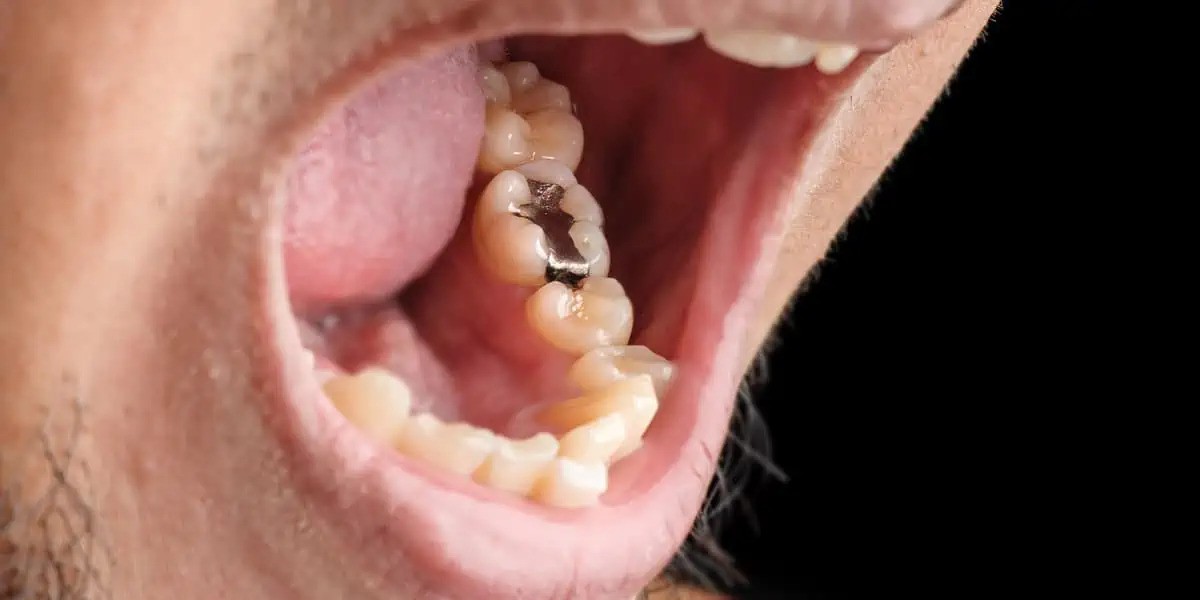
Amalgam fillings, also known as “silver fillings”, are used to treat tooth decay. The dentist removes the decayed portion of the tooth and places the soft amalgam mixture into the space. As the material hardens, it restores the shape and function of the tooth.

They’re most commonly found in molars (your back teeth) because they can handle strong biting forces. Once placed, they usually last for many years. You’ll recognise them by their metallic silver colour, which stands out compared to modern tooth-coloured materials.

Amalgam Filling Benefits

Although many clinics now favour other materials, amalgam was once widely used for several good reasons.

  • Durability: Amalgam is tough. It often lasts 10-15 years or more before needing replacement.
  • Strength under pressure: It's able to withstand heavy chewing and grinding, making it useful for molars and premolars.
  • Less moisture sensitivity: Unlike some materials that need a very dry area during placement, amalgam can still be used when it’s hard to keep the tooth completely dry.

That said, preferences have shifted. Many people now opt for tooth-coloured alternatives that blend in better and don’t involve mercury. But it helps to understand why amalgam was used for so long, especially if you already have some in your mouth.

1890

Are Amalgam Fillings a Risk?

They can be, depending on your health and individual situation. The main issue is mercury. Amalgam fillings contain around 50% mercury, which can release low levels of mercury vapour, especially when chewing or grinding, or when the filling wears out.

Most healthy adults are thought to be able to handle this small exposure without harm. But there are groups who may be more sensitive: children, pregnant individuals, and those with kidney or nerve conditions. That’s why many dentists, including ours, no longer use amalgam for new fillings.

In fact, the global stance is shifting. In November 2023, over 150 countries around the world agreed to phase out mercury-based dental amalgam. The timeline? By 2034. This decision falls under the Minamata Convention - a global treaty focused on reducing mercury pollution. It marks a historic step away from amalgam, which has been widely used for over 175 years.

So, what does this mean for people who already have amalgam fillings?

If you already have amalgam fillings and you're not experiencing symptoms, they don’t always need to be removed. But if you’re concerned, or you’re in one of the groups mentioned above, it may be worth speaking to a dentist. A conversation can help weigh the pros and cons based on your health history, not just the material in your mouth.

Signs You Might Need to Remove an Amalgam Filling

  • Pain when biting: If pain occurs consistently over a few days or more, it may suggest the filling is loose, cracked, or the underlying tooth is affected. These symptoms may indicate changes in the filling or tooth structure. A dental assessment is recommended to determine the cause.
  • Sensitivity to hot or cold: If temperature sensitivity lasts for more than 1-2 weeks, especially after eating or drinking, it may signal decay or leakage.
  • Rough or chipped surface: If a filling feels sharp, uneven, or gritty immediately or over several days, it could be breaking down and trapping bacteria.
  • Food getting stuck repeatedly: If food gets lodged around the filling for several meals or more, it may indicate gaps or wear that need attention.
  • Strange taste or bad breath: If you notice a metallic taste or persistent bad breath for over a week, there could be decay or bacterial buildup under the filling.
  • Visible cracks or dark spots: If you see visible changes in the filling that don’t go away within a few days, it may be time for an evaluation.
  • Allergy or sensitivity to the material: If you experience persistent irritation, swelling, or unusual reactions soon after the filling is placed, it may indicate a sensitivity to the material used.

Dentists typically assess signs like pain, cracks, or decay to determine whether a filling should be removed. The goal is to address specific issues while preserving as much natural tooth as possible.

Amalgam Filling Complications

Here’s what could happen over time:

Amalgam fillings can release small amounts of mercury vapour over time. Current scientific reviews suggest that most individuals tolerate this exposure, though some groups may prefer to explore alternative materials. Your dentist can advise based on your individual health needs.

Our team follows standard clinical protocols and current guidelines for amalgam removal, including high-volume suction and tooth isolation techniques.

2151053275

Amalgam Removal Process

Before the Process

  • Protective equipment: Protective gear such as goggles and masks may be used for both you and our dental team.
  • Rubber dam isolation: A thin sheet is used to isolate the treated tooth, preventing mercury particles or vapour from entering the mouth or being swallowed.

During the Process

  • High-volume suction: Strong suction systems are used throughout the procedure to remove amalgam fragments and vapour efficiently.
  • Water cooling: A steady stream of water helps reduce heat and suppress vapour release while the filling is being removed.

After the Process

  • Post-removal restoration: Depending on your situation, a temporary or permanent filling may be placed after removal.

Safety Precautions Taken by the Nuffield Dental Team

In addition to the clinical steps taken during amalgam removal, Nuffield Dental follows broader safety measures that apply across all procedures to protect both patients and staff.

  • Sterilisation of instruments and equipment: Reusable tools are cleaned using high-temperature autoclaves (high-pressure steam sterilisers), and disposable covers or barriers are used where appropriate to reduce cross-contamination risk.
  • Full surgical setups when needed: For complex treatments, surgical protocols are followed - including sterile gloves, gowns, drapes, and instrument trays - to help maintain a controlled environment.
  • Use of approved materials and maintained technology: Dental materials are selected based on regulatory approvals and treatment needs. Equipment such as autoclaves, digital X-ray systems, and air-driven handpieces are regularly maintained and sterilised to meet hygiene and safety standards.

Amalgam Fillings vs Composite Filling (White Filling)

Factor Amalgam Fillings Composite Fillings (White Fillings)
Safety Concerns Contains mercury (1 - 3% risk of allergy) Generally safe, some may contain BPA (an industrial chemical used to make certain plastics)
Durability 10 - 15 years, highly durable 5 - 10 years, improving over time
Appearance Silver/grey, visible when you smile or talk Tooth-coloured, blends in with natural teeth
Tooth Preservation More tooth removed to place the filling Minimal tooth removal, bonds directly
Cost in SGD $ (per filling) SGD $17 - SGD $180 SGD $90 - SGD $300

Amalgam Filling Alternatives

Several materials can be used in place of amalgam, depending on the tooth involved and the condition being treated. These options differ in composition, appearance, and how they are placed.

Direct Fillings

With direct fillings, you can have your tooth restored in just one visit, without the need for a dental lab or temporary filling.

  • Composite Fillings (Tooth-Coloured Resin): Made from a combination of resin and ceramic or glass particles. These materials are set using a curing light and are commonly used for small to medium cavities.
  • Glass Ionomer Fillings: This material bonds chemically to the tooth surface and slowly releases fluoride. It is often chosen for areas that are not exposed to heavy chewing forces or for certain cases involving children.
  • Resin Ionomer Fillings: A material that combines components of glass ionomer and composite resin. It releases fluoride and forms a chemical bond with the tooth. Commonly used in areas that do not bear heavy chewing forces (e.g. near the gumline), on root surfaces, and in pediatric dental treatments.

Indirect Fillings

Indirect fillings, such as inlays and onlays, are custom-made in a dental lab and typically require two visits. The first visit is for taking impressions, and the second is for placing the final restoration. If your dentist uses CAD/CAM technology, the entire process may be completed in a single appointment.

Inlays and onlays are used when a tooth is too damaged for a regular filling but not damaged enough to need a crown. They are designed to fit precisely into your tooth, like a small puzzle piece.

  • Porcelain Inlays and Onlays: These are custom-made restorations produced in a dental laboratory and fitted to the prepared cavity. They are typically used when a larger portion of the tooth needs to be restored. Porcelain can be colour-matched to surrounding teeth and retains its surface appearance with routine care.
  • Gold Fillings: Created from gold mixed with other metals. These fillings are placed over multiple visits and are known for their durability.
  • Ceramic Fillings: Made entirely from porcelain-based materials. They are commonly selected for teeth that are visible when speaking or smiling.

Your dentist will suggest an appropriate option based on the tooth’s location, the size of the cavity, and the specific clinical requirements.

FAQs

What is bioaccumulation?

Bioaccumulation means mercury can slowly build up in parts of the body like the brain or kidneys over time. Even though most mercury from fillings or food is removed by the body, small amounts can stay behind. So far, studies haven’t shown that this build-up from fillings causes clear harm to organs.

Is the mercury in dental amalgam the same as the mercury in some types of fish?

No. Amalgam uses elemental mercury, which can release vapour when disturbed. Fish contain methylmercury, which is absorbed through digestion. The body handles these differently, but both can build up over time. Research is still ongoing about how they interact.

Should I remove my amalgam fillings just to be safe?

If you have concerns about your amalgam fillings, it’s best to discuss them with your dentist. They can evaluate your specific situation and help you understand whether replacement may be appropriate.

Is it painful to remove amalgam fillings?

Local anaesthesia is typically used to keep the area comfortable during the procedure. Many patients report feeling only pressure or vibration, though individual experiences may vary.

What are the side effects of removing amalgam fillings?

Some people notice mild sensitivity, soreness, or a strange taste right after removal - these usually go away quickly. Because mercury vapour can be released during the process, dentists use special safety steps (e.g. high‑volume suction) to protect you.

Medical References

Alcaraz, M. G. R., Veitz‐Keenan, A., Sahrmann, P., Schmidlin, P. R., Davis, D., & Iheozor‐Ejiofor, Z. (2014). Direct composite resin fillings versus amalgam fillings for permanent or adult posterior teeth. Cochrane Database of Systematic Reviews, (3).

Bates, M. N. (2006). Mercury amalgam dental fillings: an epidemiologic assessment. International journal of hygiene and environmental health, 209(4), 309-316.

Guzzi, G., Grandi, M., & Cattaneo, C. (2002). Should amalgam fillings be removed?. The Lancet, 360(9350), 2081.


medical-appointment 1

Book an Appointment

Fill out the form for any request or questions you have and we will contact you within one working day.

Cost Of Root Canal Treatment In Singapore

implants

Cost Of Root Canal Treatment In Singapore

Root Canal Treatment Cost

The price varies according to the unique treatment prescribed to each individual patient. For example, if a root canal treatment is require for more than one root, the cost would go up as well. However, saving the tooth with a Root Canal treatment is relatively cost-efficient in the long run. 


A Root Canal Treatment procedure in Singapore's price ranges from S$500 - S$1700. However, the price may or may not include the crowning of the tooth and consultation charges. Average consultation prices of dental services in Singapore ranges from S$75- S$200. 

Root Canal Treatment FAQs

Is a Root Canal Treatment procedure painful?


  • The entire procedure will be done under local anaesthesia, so it will not be painful than getting your tooth filled or a wisdom tooth surgery. However, the affected area may cause discomfort and be slightly sore post-surgery but it goes away after a few days. 
  • If the pain persists, please consult our doctor immediately. You can reach us at +65 9839 7363.

    Can I go about my day to day activities after a Root Canal Treatment? 

  • Most patients are able to return to school or work the next day following a Root Canal Treatment. However, it is advised against eating immediately post-surgery as there may be numbness in the affected area. 


What are the side effects of a Root Canal Treatment?

  • The side effects of a Root Canal Treatment differs with each individual. Some people may experience pain or a slight soreness post-surgery, and some people may experience little to no pain at all. This also applies to certain patients experiencing a measured amount of sensitivity associated to cold or heat when consuming food or beverages. 

What is the aftercare for a Root Canal Treatment? 


  • As a Root Canal Treatment is considered a restorative procedure, the after-care is deemed crucial to experience lasting effects. After your procedure, your dentist will send you home with pain-killers to counter the soreness you may feel when the anaesthesia wears off. It is also strongly advised against the consumption of food until the numbness wears off. Brushing and flossing daily is encouraged to keep the area clean and this in turn would prevent infection. Upon completing any follow-up appointments for the Root Canal Treatment, you may be required to return to the dentist for a final crown to fully restore the tooth. A properly treated and restored tooth can last as long as your natural teeth. 

Can a Root Canal Treatment be unsuccessful? 


  • A Root Canal Treatment has a 90% success rate of fully restoring your tooth. However. failure to fully restore your tooth can occur if there is a loose crown, tooth fracture or decay. Undetected canal branches or an obstruction that causes the cleaning difficulties may also cause a Root Canal Procedure to fail. Should your Root Canal Treatment be unsuccessful, explore options with Nuffield's Endodontist for possible solutions. 


Orchard Dental

Nuffield Dental Jewel
Wheelock Place501 Orchard Road #05-01 Singapore 238880

The Nuffield Dental Clinic Network In Singapore

Seletar Dental

Nuffield Dental Seletar
Greenwich V
1 Seletar Road #01-07/08
Singapore 807011

Kovan Dental

Nuffield Dental Kovan
Simon Plaza
2 Kovan Road #01-03
Singapore 548008

Serangoon Dental

Nuffield Dental Serangoon Gardens
Serangoon Garden Estate
57 Serangoon Garden Way
Singapore 555953

Siglap Dental

Nuffield Dental Siglap
The Domain
914 East Coast Road #01-03
Singapore 459108

Bedok Dental

Nuffield Dental Simpang Bedok
East Village
430 Upper Changi Road #01-64
Singapore 487048

Holland Village Dental

Nuffield Dental Holland Village
7 Holland Village Way #03-16
Singapore 275748

Jurong East Dental

Nuffield Dental Westgate
Westgate
3 Gateway Dr #04-32
Singapore 608532

HarbourFront Dental

Nuffield Dental HarbourFront
HarbourFront Centre
1 Maritime Square #02-64A
Singapore 099253

Orchard Dental

Nuffield Dental Jewel
Wheelock Place
501 Orchard Road #05-01
Singapore 238880

Raffles Place Dental

Nuffield Dental Raffles Place
One Raffles Place
1 Raffles Place #05-19
Singapore 048616

featured_in_logos
background image

Why Choose Nuffield Dental?

Nuffield Dental is a one-stop, multi-disciplinary dental care centre in Singapore. At Nuffield, we put you first. We believe in providing personalised service for each patient.

Dental care

Nuffield Dental is a one-stop, multi-disciplinary dental care centre. Here at Nuffield Dental, we pride ourselves of our personalised oral care for each and every one of our patients. We need to make sure you get all the help you need to make your dental procedures comfortable, accessible and seamless.

Root Canal Treatment

Our dentists have been accredited in root canal and oral surgery for 20+ years. We have accredited dental providers who are skilled in the area of dental implant surgery.

Articles

The newest and best lifestyle articles selected by our editorial team.

  • 17 Nov 2025
  • 2 mins read
Can dental amalgam be connected to brain fog, tiredness, or lethargy?

Current scientific evidence does not show a conclusive connection between intact dental amalgam fillings and symptoms such as brain fog, chronic...

  • 17 Nov 2025
  • 2 mins read
Why Do We Have to Wait Until 2034 to Phase Out Amalgam?

The Minamata Convention on Mercury established 2034 as the global target year to end the use of dental amalgam. While this may seem gradual, the...

  • 17 Nov 2025
  • 2 mins read
What Are the Effects of Dental Amalgam on Humans?

Dental amalgam has been used in restorative dentistry for more than 150 years. It has long been regarded as a durable and practical material....