.png?width=2223&height=447&name=Background%20(4).png "Background (4)")


Mercury-Based Dental Fillings: Global Shifts and Nuffield Dental’s Clinical Approach
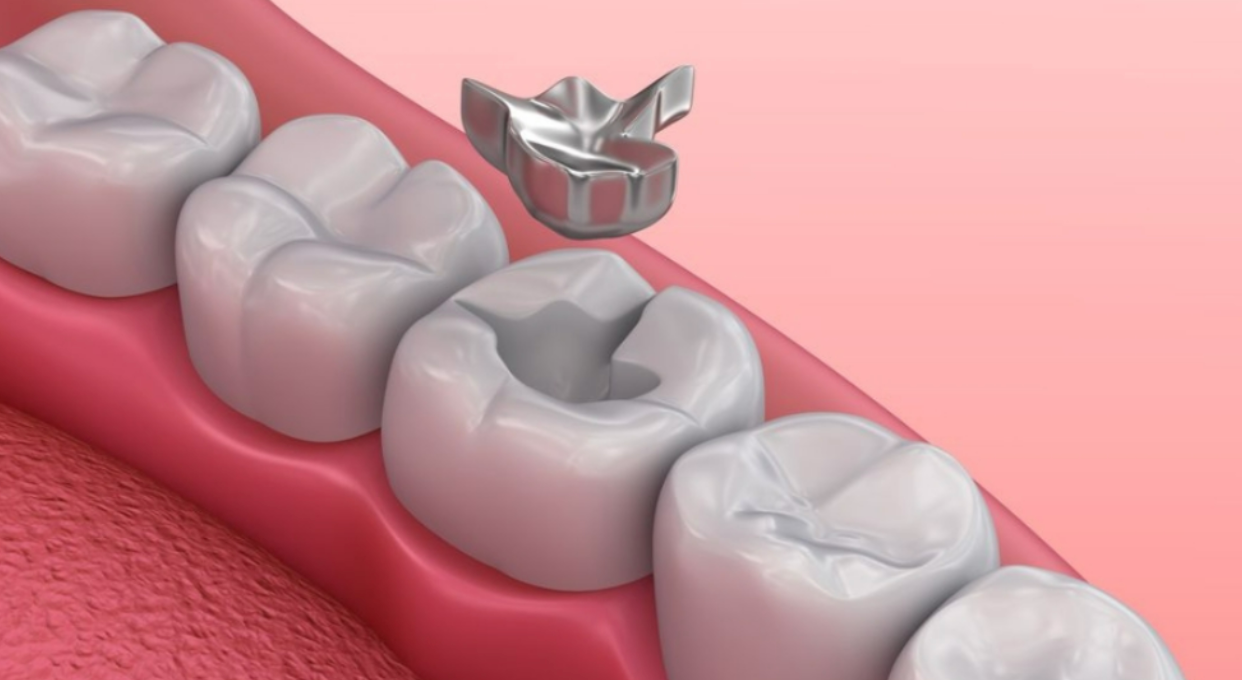
If you have ever noticed silver-coloured fillings during a dental check-up, these are likely dental amalgam restorations. Dental amalgam has been used worldwide for more than 175 years due to its strength, longevity, and cost considerations.
Recently, the World Health Organization (WHO) has called for a global phase-out of mercury-based dental amalgam by 2034. In response, different countries have adopted varying approaches. Singapore has indicated a policy of judicious reduction, rather than a complete ban, reflecting local clinical and public health considerations.
Why the Global Phase-Down Is Happening
Mercury is listed by the WHO as one of the top ten chemicals of public health concern. In dentistry, the primary concerns relate less to existing restorations in patients and more to broader environmental and systemic considerations, including:
- Environmental impact during the manufacture and disposal of amalgam
- Cumulative environmental exposure from widespread mercury use over time
As a result, international guidelines encourage increased use of alternative restorative materials such as composite resins and ceramics where clinically appropriate.
Singapore’s Clinical Context
Singapore’s approach aligns with the global direction of reducing mercury use, while recognising that amalgam may still have a role in specific clinical situations. The Singapore Dental Association has noted that amalgam can be considered in limited cases, such as:
- Very large or deep cavities in posterior teeth exposed to high chewing forces
- Situations where moisture control is difficult and alternative materials may not perform optimally
- Cost considerations that affect access to care
At the same time, dental training and practice in Singapore increasingly emphasise tooth-coloured restorations as the first-line option for most routine cases.
Existing Amalgam Fillings: What Patients Should Know
Current evidence indicates that mercury vapour released from intact amalgam fillings is very low, estimated at approximately 0.2 to 0.4 micrograms per day. This level is below established occupational exposure limits and has not been conclusively linked to significant health effects.
For this reason, dentists generally do not recommend removing well-functioning amalgam fillings without a clinical indication. Removal procedures can temporarily increase mercury exposure if not carefully managed.
Nuffield Dental’s Practice Approach
Since its establishment in August 2014, Nuffield Dental has not placed amalgam fillings in its clinics. Current restorative care focuses on non-amalgam materials selected based on clinical suitability and patient needs.
For patients who already have amalgam restorations and require removal due to decay, fracture, or replacement, structured safety protocols are applied to reduce exposure during the procedure. These include:
- Tooth isolation and high-volume suction
- Air filtration and vapour control measures
- Protective precautions for both patients and clinicians
- Protocols informed by established international guidance, including IAOMT-aligned principles
Broader Considerations in Contemporary Dentistry
Modern dentistry increasingly evaluates restorative care beyond durability alone. Clinical discussions may also include:
- Biocompatibility of restorative materials
- Metal-free and tooth-coloured alternatives
- Surface considerations in implant dentistry
- The relationship between oral health and overall systemic health
For patients seeking specific approaches, options such as ceramic implant systems, biological dentistry principles, and evidence-informed guidance may be discussed as part of individual treatment planning.
Book a Consultation with Nuffield Dental
Patients with existing mercury-based (amalgam) fillings who are considering replacement, or who require assessment due to wear, fracture, or recurrent decay, may book a consultation with Nuffield Dental for an individualised clinical review.
During the consultation, the dentist will assess the condition of existing restorations, discuss suitable non-amalgam restorative options where clinically appropriate, and explain procedural considerations, including safety measures applied during removal when indicated.
Appointments can be arranged to review treatment options and determine an appropriate care plan based on clinical findings and patient needs.
-1.svg)